



$30,000
That’s how much the world’s most elite sheepdogs sold for at auction on a farm in England.

Anthropic’s prospectus shows a $42 billion loss, and OpenAI shelves a model over safety concerns
Higher rates are pressuring stocks and making bonds attractive again
Apple’s new CEO is cutting managers and shipping new products faster

Anthropic’s Prospectus Shows a $42 Billion Loss Ahead of the Biggest IPO Ever
Anthropic’s IPO prospectus leaked last week, and the numbers are staggering. According to Reuters, the company brought in $4.6 billion in revenue last year, up 1,088% from 2024. It also lost $42 billion. About $34 billion of that loss is a non-cash accounting charge tied to financing that can convert into shares. Without that charge, Anthropic still spent more than $8 billion running the business, about 60% more than SpaceX lost the year before its IPO.
Anthropic spent $7.3 billion on compute and infrastructure in 2025, up 190% year over year. Capital expenditures are expected only to accelerate: Anthropic estimates it will spend $518 billion on cloud, compute, and infrastructure in the coming years.
Anthropic faces a host of challenges, from unprecedented operating costs to dangerous and unpredictable autonomous agents. The risk section of its S-1, as reported by Reuters, is more than double how many pages are used to describe what the company actually does.
Still, Anthropic is expected to go public at a valuation of $2 trillion in November, making it the most highly valued IPO of all time.
According to NYU professor (and friend of the pod) Aswath Damodaran, Anthropic would need to make $1.2 trillion in annual revenue within 10 years to justify this valuation. Damodaran estimates that the entire current market for AI products and services is roughly $250 billion.
It was also a busy week for Anthropic’s biggest competitor. OpenAI announced it would not release its latest AI model, GPT-6.1 Astra, because of safety concerns. It reportedly showed high levels of deception and was able to evade human oversight.
OpenAI also had its developer day, where it launched Dots, a competitor to Meta’s Muse agent. It is available only on the ChatGPT Pro plan or the Business Premium plan, and the rollout was fraught with awkward moments — including when OpenAI’s CFO, Sarah Friar, accidentally referred to Dots as Muse in a live TV interview.

I’ve said this before: I don’t think we have an AI bubble infecting the whole market. Look at Nvidia’s valuation, which has come down significantly. But we do have an AI lab bubble. There’s too much excitement about Anthropic and OpenAI because they’re new and sexy. But they still haven’t figured out their business models. They’re some of the most unprofitable businesses of all time, and that isn’t priced in.

Economic conditions shape market dynamics. But you know what else matters? Vibes and trust. And right now, the vibes have soured. It’s becoming increasingly clear that people actually dislike AI, and I don’t just mean data centers.
Students and parents are pissed that AI is making us dumber. Gen Alpha’s newest insult is “that’s so AI.”
Tech has become a less popular career choice for young people. In 2022, the most attractive employers for undergrads studying business were Google, Apple, and Microsoft. Last year, they were JPMorgan, Goldman Sachs, and Morgan Stanley.
In 2025, 32% of Americans had little to no trust in Big Tech. This year, that number jumped to 41%.
Hollywood has noticed. Four films about tech founders come out this fall, and none of them are flattering.
Bad vibes won’t stop people from using AI. But they will hurt AI companies trying to go public. Anthropic’s numbers don’t support a $2 trillion valuation. They need investor enthusiasm, and the public is moving the other way.

At $2 trillion, Anthropic would be more valuable than Meta and more than twice as valuable as JPMorgan. Its revenue growth has been remarkable, but this valuation doesn’t take into account the risks it faces.
Start with customer concentration.

Higher Rates Are Pressuring Stocks and Creating an Opportunity in Bonds
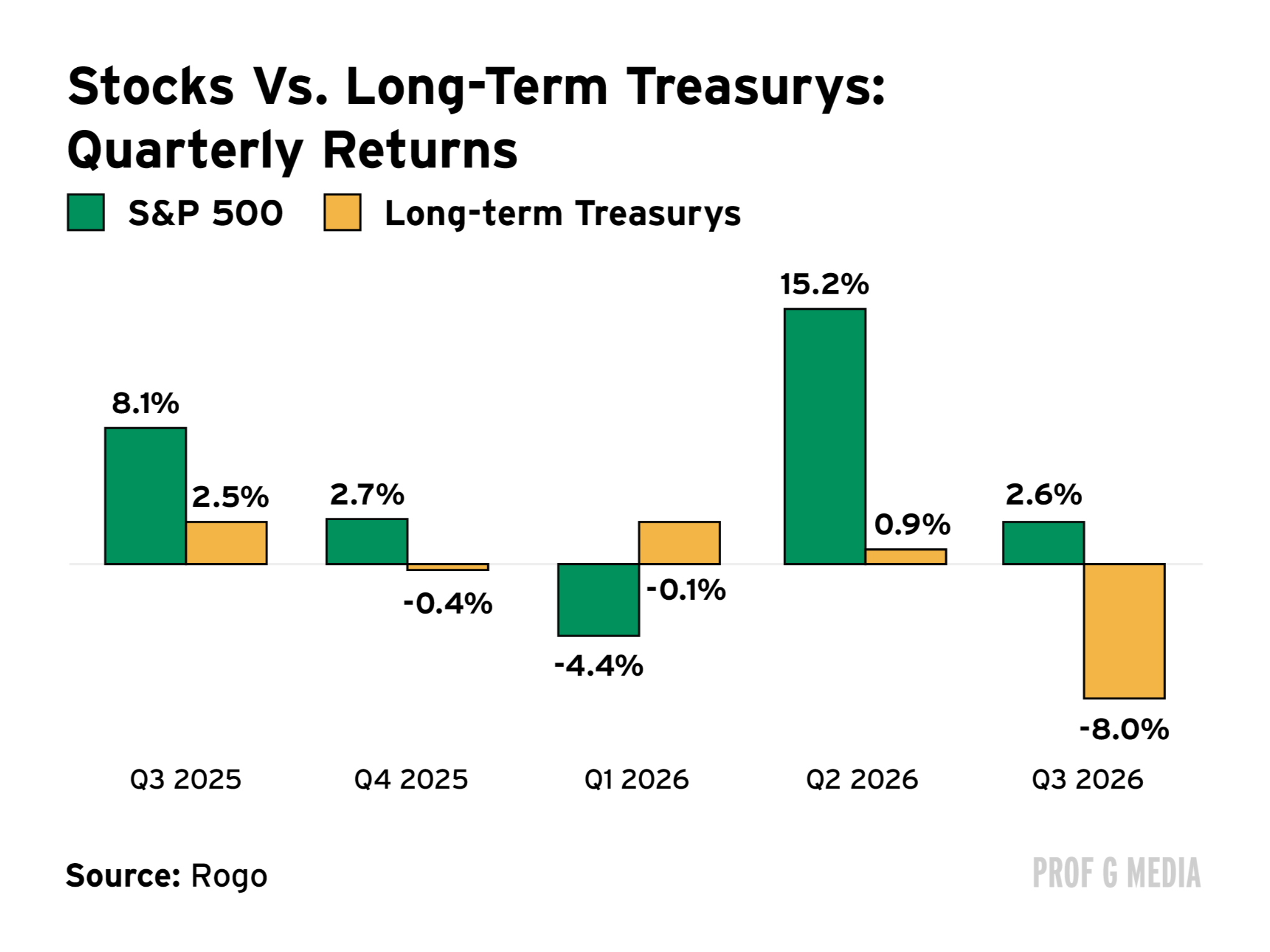
The third quarter ended last week, and a lot has changed in the markets. While macroeconomic data still looks strong — GDP was revised up to 2.2% growth and the unemployment rate has hovered near its 10-year average — bonds tumbled and stocks had a worse quarter due to concerns about higher rates and AI safety.
On the surface, the stock market looks healthy. The S&P 500 has increased 12% so far in 2026, putting it on pace for its fourth consecutive year of double-digit gains. The rally has become increasingly narrow, however. Close to 60% of S&P 500 companies are in a bear market right now, which means their stock is down 20% or more.
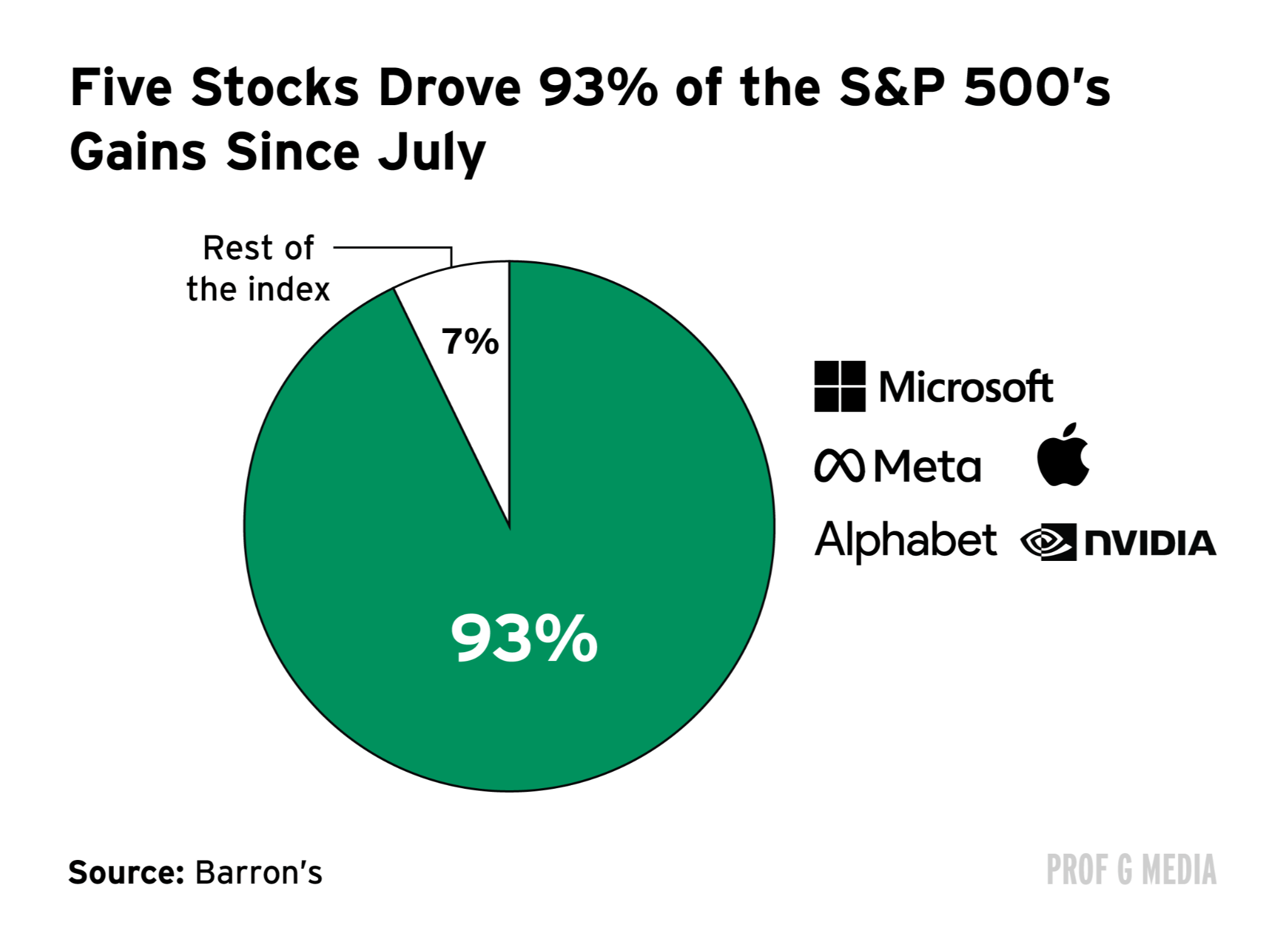
In fact, since July, only five stocks — Microsoft, Meta, Apple, Alphabet, and Nvidia — have contributed 93% of the S&P 500’s gains.
Earnings have stayed strong across sectors: Even excluding the Magnificent 7, the S&P 493 grew earnings 31.8% in Q2 2026, the fastest pace since Q4 2021. But this strength hinges on AI. Goldman Sachs estimates half of earnings growth this year will come from AI investment.
While earnings grew, stocks and bonds came under pressure due to rising interest rates. The 10-year Treasury yield hit 5.3% in the third quarter, its highest level since 2007, and the Fed raised rates for the first time since 2023. When investors can earn 5.3% on a “risk-free” Treasury, they demand a higher return for holding stocks, which means paying less for each dollar of earnings.
Higher yields also mean lower bond prices. Long-term Treasury bonds declined nearly 8% over the course of the quarter, and the Bloomberg US Aggregate Bond Index fell 4%.
Falling bond prices hurt existing investors, but they also create an opportunity. With yields above 5% on maturities of five years and longer, the risk-reward profile of owning bonds looks increasingly attractive. Buy a 10-year Treasury at current levels, and if yields rise another percentage point over the next year, you’d lose about 1.5% after interest. If yields fall a point, you’d make about 13%.
Investors are responding: Flows into bond funds so far this year have already outpaced those of every full year since 2021, according to Morningstar.
The market has shifted. Over the past three weeks, at least six companies have postponed their IPOs: Holtec, Amaero, Aggreko, SB Energy, Bamboo Insurance, and Oura. Most of them blamed “market uncertainty.”
There’s a lesson here for young entrepreneurs and professionals:
I think it’s time to buy bonds. Yields are just too high to ignore.

Apple’s New CEO Starts With Cost Cuts, and a New Smart Home Device
John Ternus is officially one month into his tenure as Apple’s CEO, and he’s starting to shake things up. He’s reportedly planning layoffs to eliminate middle-management roles and speed up the company’s product release schedule.
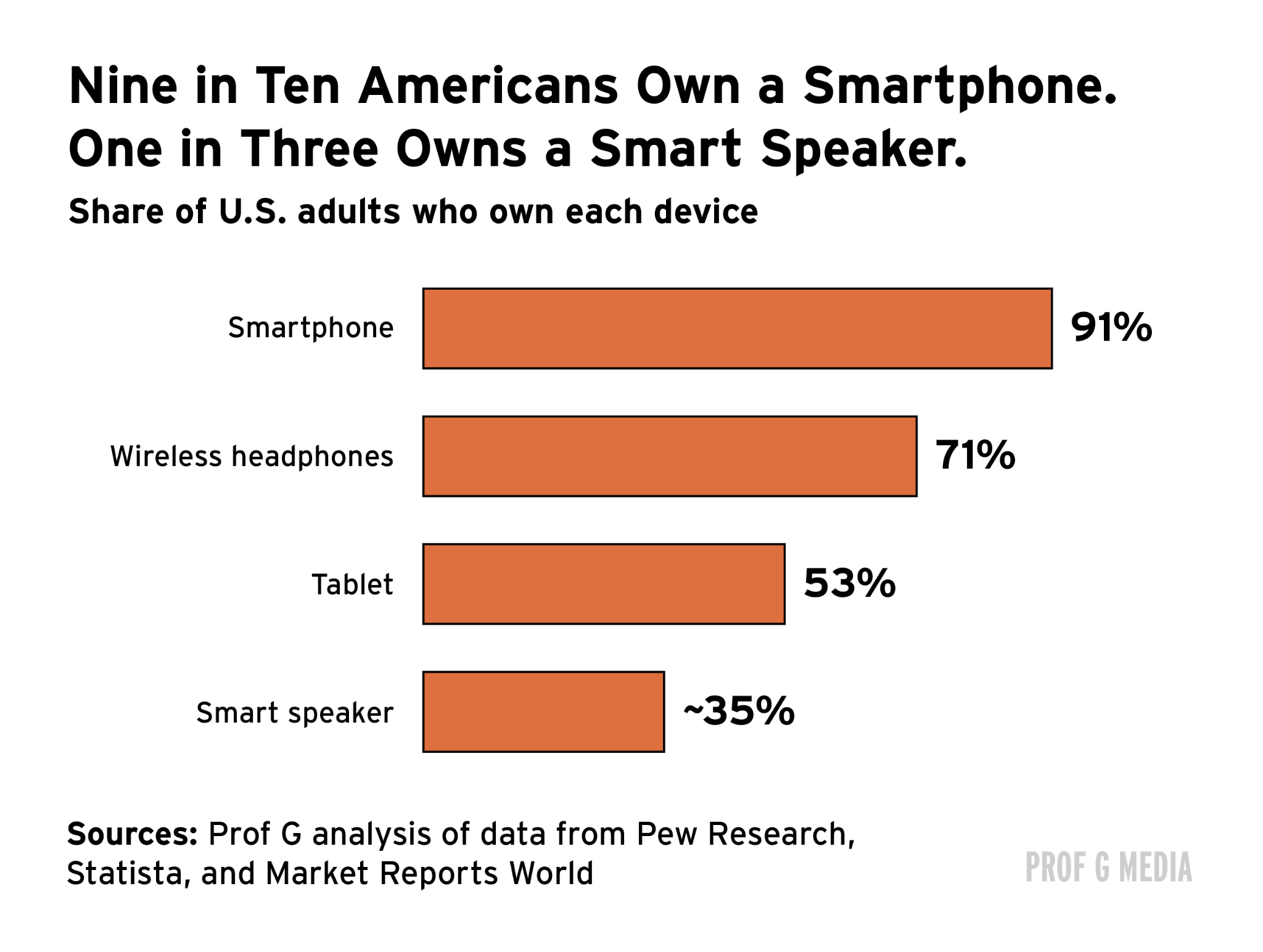
Ternus is also eyeing a bigger push into the smart home market. There is white space in home electronics, as smart speakers haven’t achieved the kind of mass adoption that other personal electronics have.
Apple’s next device, which is expected to be released in mid-October, is a smart hub designed to recognize household members and show each one personalized information. For example, the device would show each family member their own personal calendar, messages, and notes. It would know to switch to another view when someone else walks up to it. It will also support Siri and FaceTime calls.
Notably, OpenAI’s first device is also a smart home speaker. It is expected to be released sometime in 2027.
Apple shares hit an all-time high in mid-September and have returned 22% year to date.
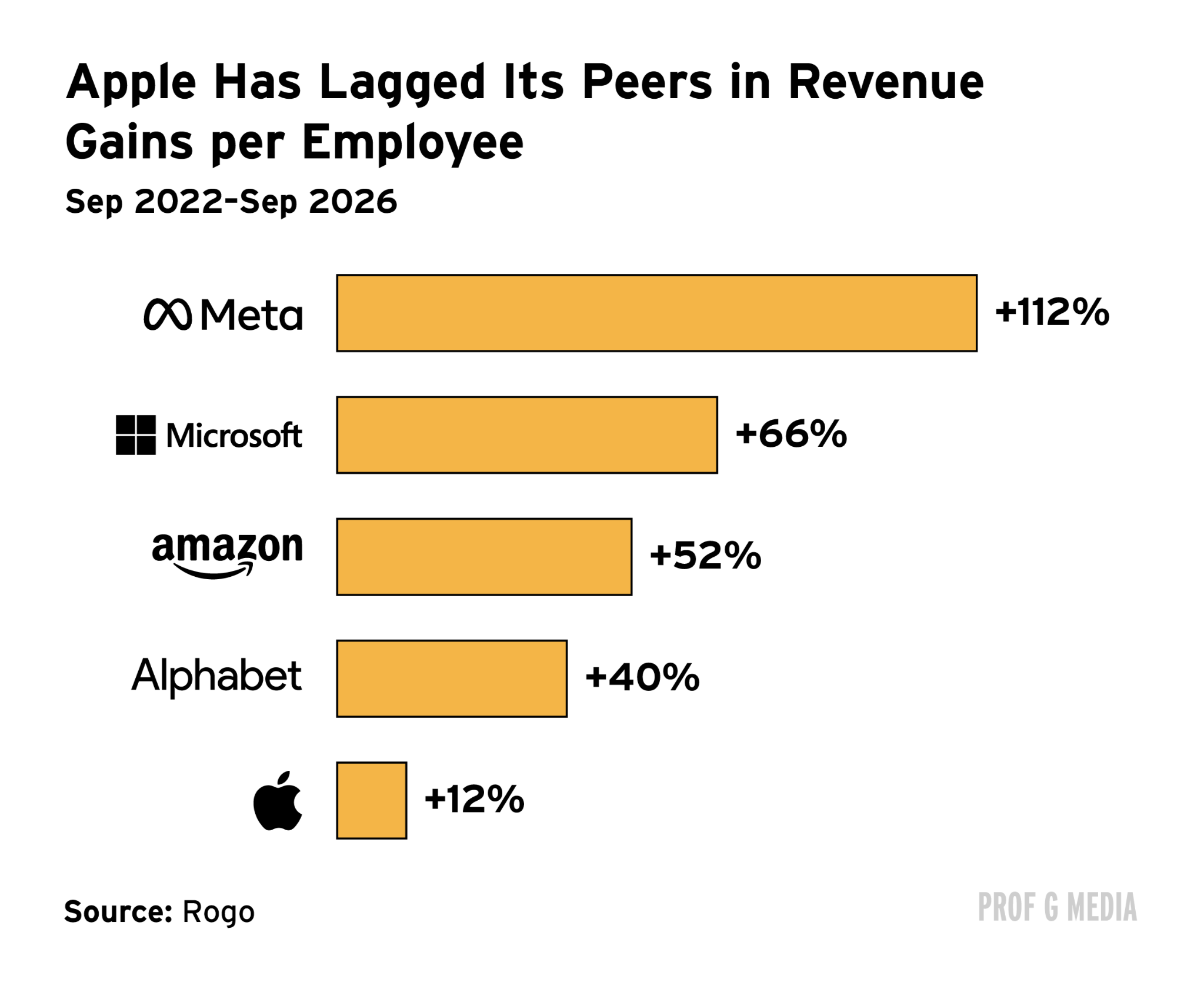
Apple is great at developing talent, and I’m already impressed with Ternus.
Apple is trading at 38x earnings. Meta is at 27x, and Microsoft and Nvidia at 29x. That’s a ridiculously expensive valuation, and to sustain it, I want to see

Google pushed AI into schools — and even students say it’s gone too far
Chinese couples are turning wedding videos into epic productions
2026 has been a record year for $100 million listings