



Why China Seems Aloof When It Comes to Iran
You’d think China would have been more vociferous in condemning the U.S. and Israeli strikes on Iran, a close diplomatic ally in the Middle East. China’s leader, Xi Jinping, made a state visit to Iran in 2016, signing a strategic partnership, and five years later Beijing agreed to invest $400 billion in the country over 25 years in exchange for a steady supply of oil. Today the country gets almost half of its crude via the Strait of Hormuz.
But while China was quick to criticize the attack, warning against a “return to the law of the jungle,” the country’s reaction over the past month has been muted. It was Donald Trump, not Xi, who asked to delay their summit until May. And critically, China hasn’t offered military or financial support to the Iranian regime. China’s response, or lack thereof, isn’t a sign of indecision or inaction. It’s a calculated decision.
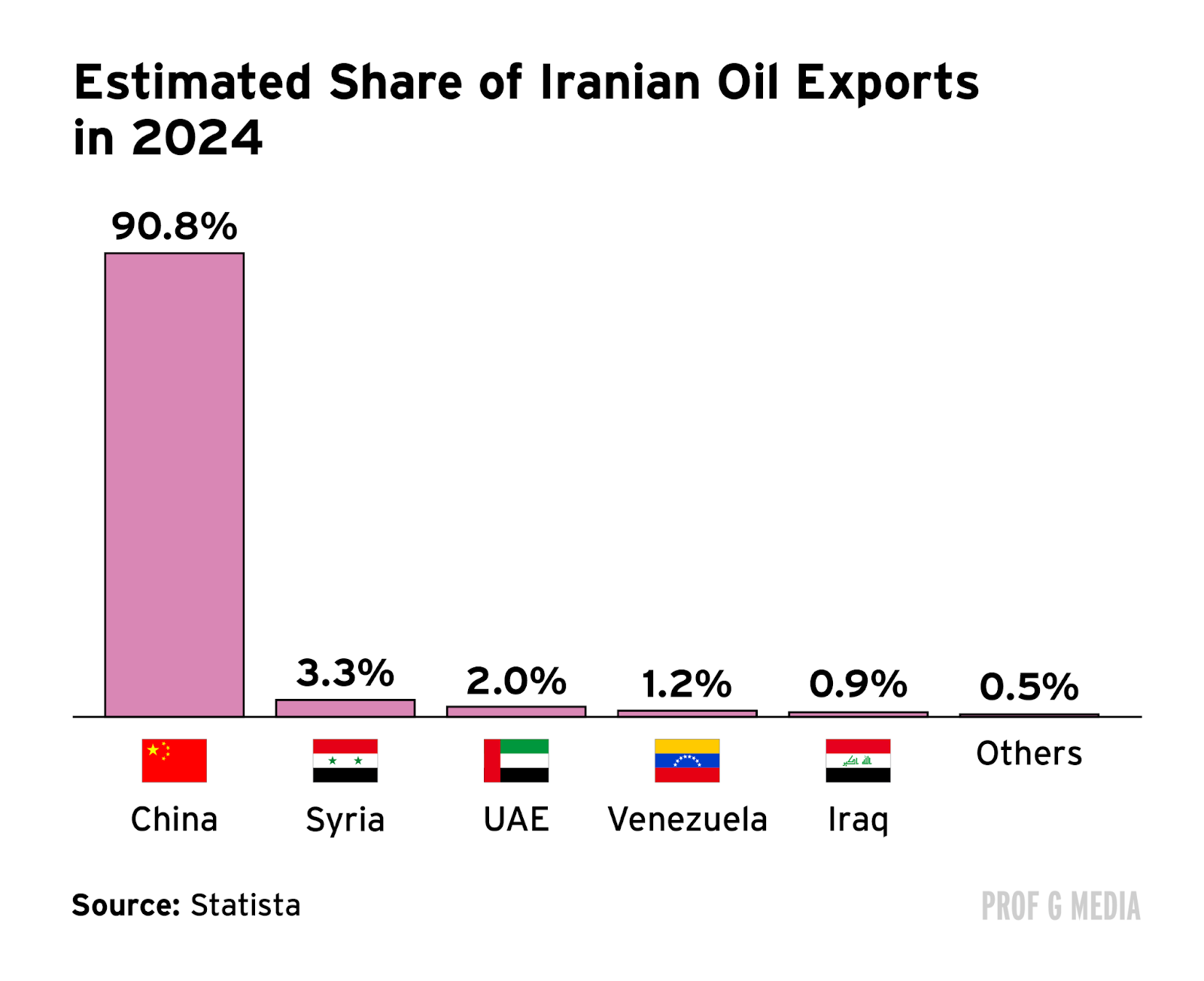
James’s Take: What we’re seeing play out today is China’s game theory, with three parts to the strategy: First, instead of flexing its military or diplomatic muscle, China is concentrating on its economic power. China doesn’t want to antagonize the U.S. and risk reprisals that could hinder its ability to keep its cities and factories humming. Maintaining the flow of oil through the Strait of Hormuz is crucial. There’s an ancient Chinese strategem that’s relevant today: Sacrifice the plum tree to preserve the peach tree. That means giving up on short-term objectives to achieve the long-term goal — in this case bringing Trump to the table in Beijing.
Secondly, China is determined not to spread itself too thin and take its eye off its main theater of interest. Iran and the strait are important, but not nearly as important as the regions much closer to home: Taiwan, the South China Sea, Japan and Korea. China likes to keep its powder dry.
Finally, China is highly transactional. Aside from a treaty with North Korea signed in 1961, China doesn’t have any obligations to protect and defend other countries. Instead it has a series of “strategic partnerships,” which China signs when it wants something from another country. In the case of Iran, it’s about oil — and perhaps to some extent undermining America on the world stage. These alliances ultimately mean very little.
Alice’s take: Don’t be fooled by China’s reticence on Iran. The back channel between Washington and Tehran via Pakistan — which receives military and technical support from Beijing — is a key sign that China is probably strongly involved behind the scenes.
To be sure, the gulf between the U.S. and Iran remains wide. Iran dismissed a 15-point American plan to end the war and issued its own counterproposal. Trump, meanwhile, has indicated that he may send troops to seize control of Iran’s key oil export terminal at Kharg Island. Still, if there is a peace agreement, China could play a prominent role. That gives China an opportunity to score diplomatic points with the Gulf states, and even the G7, while keeping the war in Iran separate from trade talks with the U.S. Trump’s visit to Beijing would be the first for a U.S. president since he traveled to the country in 2017.
It’s important to turn to the history books for lessons.
In the Suez Crisis seven decades ago, Egypt’s president, Gamal Abdel Nassar, nationalized the joint British-French company that had operated the canal. A secret military intervention by Britain, France and Israel to gain control over the artery ended in humiliation amid pressure from the U.S., paving the way for Britain’s decline as a global power and America’s rise. Is Iran the Suez Crisis of today, with China ascendant this time and the U.S. on its way down?
Although China has an advantage it can exploit amid the conflict, it’s important not to underestimate the economic challenges that the war in Iran poses for Beijing.
Tailwinds Overseas Are Set to Fuel the BYD Phenomenon
Elon Musk once mocked BYD. But he’s not laughing now. While BYD experiences slowing sales at home, China’s leading automaker is recording rapid growth abroad. After surpassing Musk’s Tesla as the world’s biggest seller of electric vehicles, the company signaled to analysts that exports this year will likely exceed its previous target by 15%. Those overseas ambitions are becoming even more critical after the company reported its first annual decline in profit in four years. Citigroup estimated BYD’s car sales in China will turn unprofitable in the first quarter.
Still, BYD is on a roll. The Shenzhen-based company recently leapfrogged Ford in vehicle sales for the first time, soaring to the No. 6 spot on the global rankings. At the same time, BYD’s German sales climbed more than ten-fold in January. The company also unveiled the next generation of its “blade batteries” along with ultra-fast charging architecture that can recharge a battery from 10% to 70% in five minutes and reach close to fully charged in nine minutes.
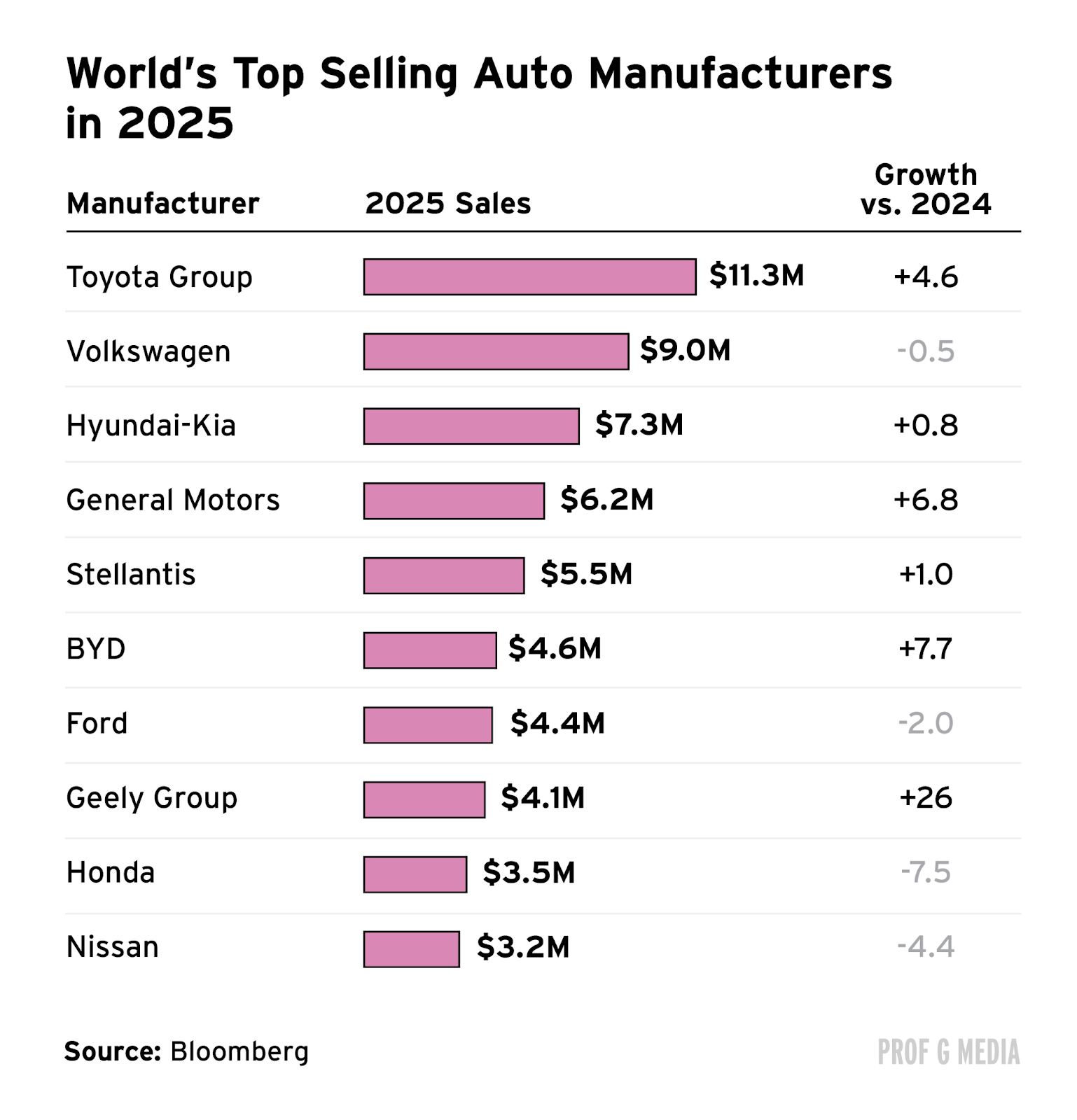
Alice’s take: With the war continuing to rage in Iran, China’s EV industry is likely to emerge as a winner. Surging oil prices will give consumers even more incentive to buy the vehicles. I’ve driven both Teslas and BYDs. From my standpoint, BYD has the edge. In fact, it’s probably a no-brainer given the cost, style, energy efficiency and intuitive operating system. BYD in February sold more vehicles outside China than in its home market for the first time. That’s not a fluke. It’s a turning point that the company will be able to build on in the coming months as it expands manufacturing in regions ranging from Latin America to Southeast Asia.
If consolidation plays out as expected, and the number of Chinese brands shrinks, more companies, including BYD, should be able to profit. Government efforts also could help at least partly reduce the brutal cost pressures car manufacturers face at home. Regardless of how the story plays out domestically, the tailwinds overseas could drive growth for years to come.
James’s take: Not only is the company’s technology world-class but its prices blow Western competitors out of the water. I drove an Atto 2 in Germany a couple of years ago — an EV that BYD sells for as little as €22,990 in Europe, a lot less than Teslas and other EVs on sale across the continent. I also remember spending 35 minutes trying to charge the BYD car, worrying we’d miss our plane. Those days are over. The new BYD batteries are a game changer. Yet there’s a wider point to make: BYD is among the first in a wave of Chinese companies that are finding it much easier to make money overseas than in a hyper-competitive local market.
Attending an event in Hong Kong this past week, I admitted to someone that I drive a gas-guzzler back in London, not an EV. They seemed taken aback, almost offended. Peer pressure is going to play a bigger role in the future, pushing more consumers into the EV camp.
China Turns on an Escalator That Takes 21 Minutes to Ascend
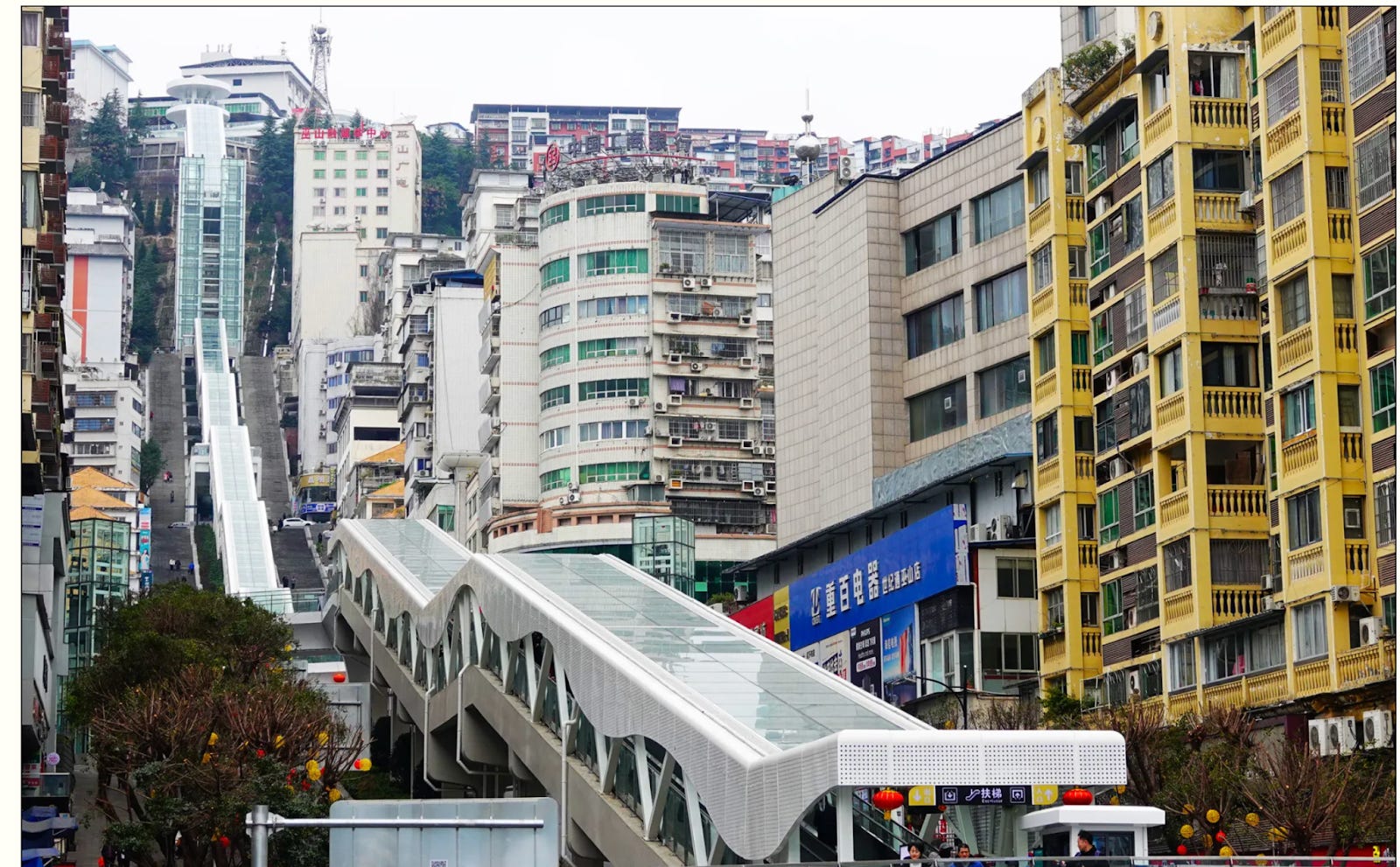
China has switched on what is believed to be the world’s longest outdoor escalator on the edge of the Yangtze River. Known as the “Goddess,” the project stretches almost a kilometer, gains more than 800 feet in elevation and takes 21 minutes to ascend. About 9,000 people are already using the escalator in China’s Chongqing municipality every day, paying a small fee — equivalent to 43 cents — to ride in each direction. Almost half a million people used it during last month’s Spring Festival. If you’ve been to Hong Kong, you’ve no doubt seen the mid-levels escalator system. Think of that, only something much bigger and more complex.
James’s take: China is a country of superlatives. It boasts the longest sea bridge — a 55-kilometer span connecting Hong Kong and Macau with the Chinese mainland — as well as the longest high-speed rail network. From the Great Wall of China to the Three Gorges Dam, China has a long history of building huge projects and making bold statements. It’s a reflection of how China sees itself: as a civilization at the center of the world.
Still, even China has its limits. At a height of roughly 1 kilometer, a proposed tower in Wuhan would have overtaken Dubai’s iconic, 830-meter Burj Khalifa as the world’s tallest building. But in 2021, China’s national development and reform commission, the country’s top planning agency, banned new skyscrapers taller than 500 meters.
Alice’s take: I’ll turn from history to economics. Local governments in China have an incentive to build these vanity projects to get promoted in the next party congress in 2027. These mega-projects can help raise a region’s profile, but they also provide an employment boost. Whether they’re a smart way to deploy funds and stimulate the economy is another question.
China is keen to shatter records, and this is just the latest sign.
Newsletter Extra: Pharma Companies Hunt for New Drugs in China
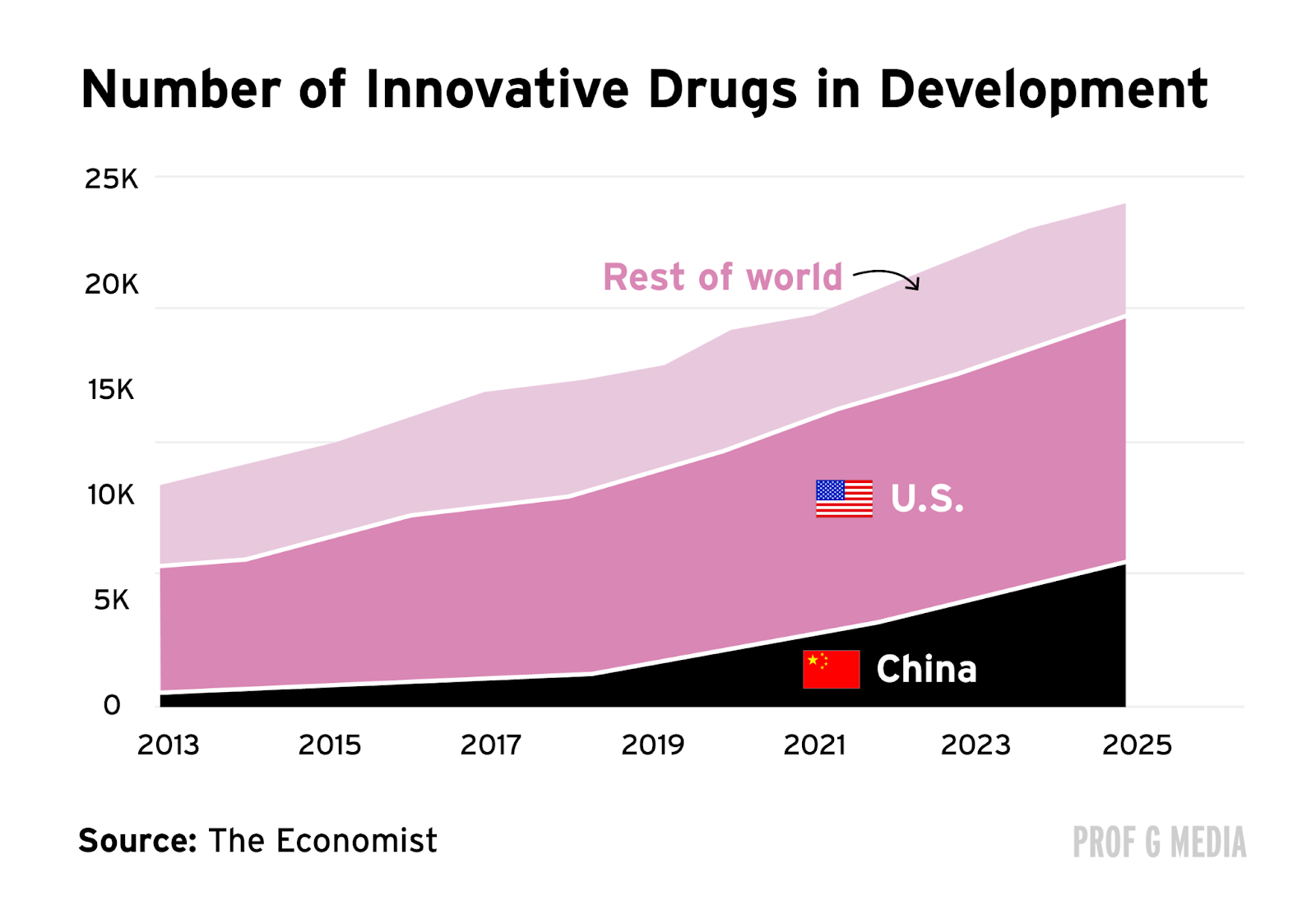
Eli Lilly’s $2 billion deal with a Hong Kong-listed biotech company is yet another sign of the increasingly important role that China is playing in the global pharma industry. The American drugmaker will acquire exclusive rights to sell a GLP-1 diabetes treatment from Insilico Medicine, just weeks after announcing plans to invest $3 billion in China over the next decade. Insilico, which went public in Hong Kong in December, uses AI for drug discovery.
Lilly’s moves are the latest examples of big pharma’s rush into China. A record number of non-Chinese companies licensed treatments made by Chinese firms in 2025. In January, U.K. drugmaker AstraZeneca signed a licensing deal with China’s CSPC Pharmaceuticals to develop weight-loss and diabetes drugs. Those won’t be the last.
Alice’s Prediction: I was skeptical the Trump-Xi summit would happen at the end of March. Now I don’t think it’s going to happen in May either. The U.S. will continue to be distracted by Iran, and China won’t want to host Trump if he’s unprepared to talk about anything substantive. China has opened two probes into U.S. trade practices, retaliation against similar investigations by the Trump administration, while U.S. arms sales to Taiwan also complicate matters.
James’s Prediction: Chinese exports last year climbed to almost $3.8 trillion as a trade boom helped counter the impact of a domestic slowdown. This year, exports will probably surpass $4 trillion for the first time. I expect Chinese exports as a proportion of total global shipments will hit a historic high, overtaking a previous record set by the U.S. almost six decades ago.
Hi Prof G — really enjoyed this breakdown. One small observation: the use of the “$” sign on the 2025 automobile sales figures might be a formatting error. These numbers seem more like units sold (in millions) rather than revenue — for example, ~$11.3M in revenue for Toyota would be far too low. Might be worth clarifying if these are actually vehicle sales volumes. Thanks for sharing!