



37%
Of Americans say that their biggest regret in life is something that they didn’t do. Twenty-five percent say it’s something they did do.

Wall Street is losing its appetite for data centers
Streaming update: Netflix is down 40%, and Paramount gets closer to buying Warner Bros. Discovery
The wellness boom is getting its first big IPO

Nobody Wants a Data Center. Wall Street’s Finally Listening
The backlash against data centers is starting to worry Wall Street.
SB Energy, a SoftBank-backed data center provider, was supposed to go public this month. But according to The New York Times, its plans were delayed because bankers couldn’t find enough buyers at the company’s targeted $50 billion market cap.
The most apparent problem is that SB Energy, purportedly a data center company, has zero operational data centers. It has a $439 billion backlog, but only 9% of contracts have actually broken ground.
SB’s backlog isn’t 100% guaranteed revenue. Most of its contracts have completion time clauses, meaning the customer can get out of the agreement, or get a discount if a project is delayed by more than a year.
Investors are understandably nervous: an estimated 30% to 50% of data center capacity planned to come online this year will be delayed. Data center constructors face grid connection issues, power equipment supply shortages and, increasingly, community opposition. There are now more than 840 data center opposition groups in the U.S., up from fewer than 50 at the beginning of 2024.
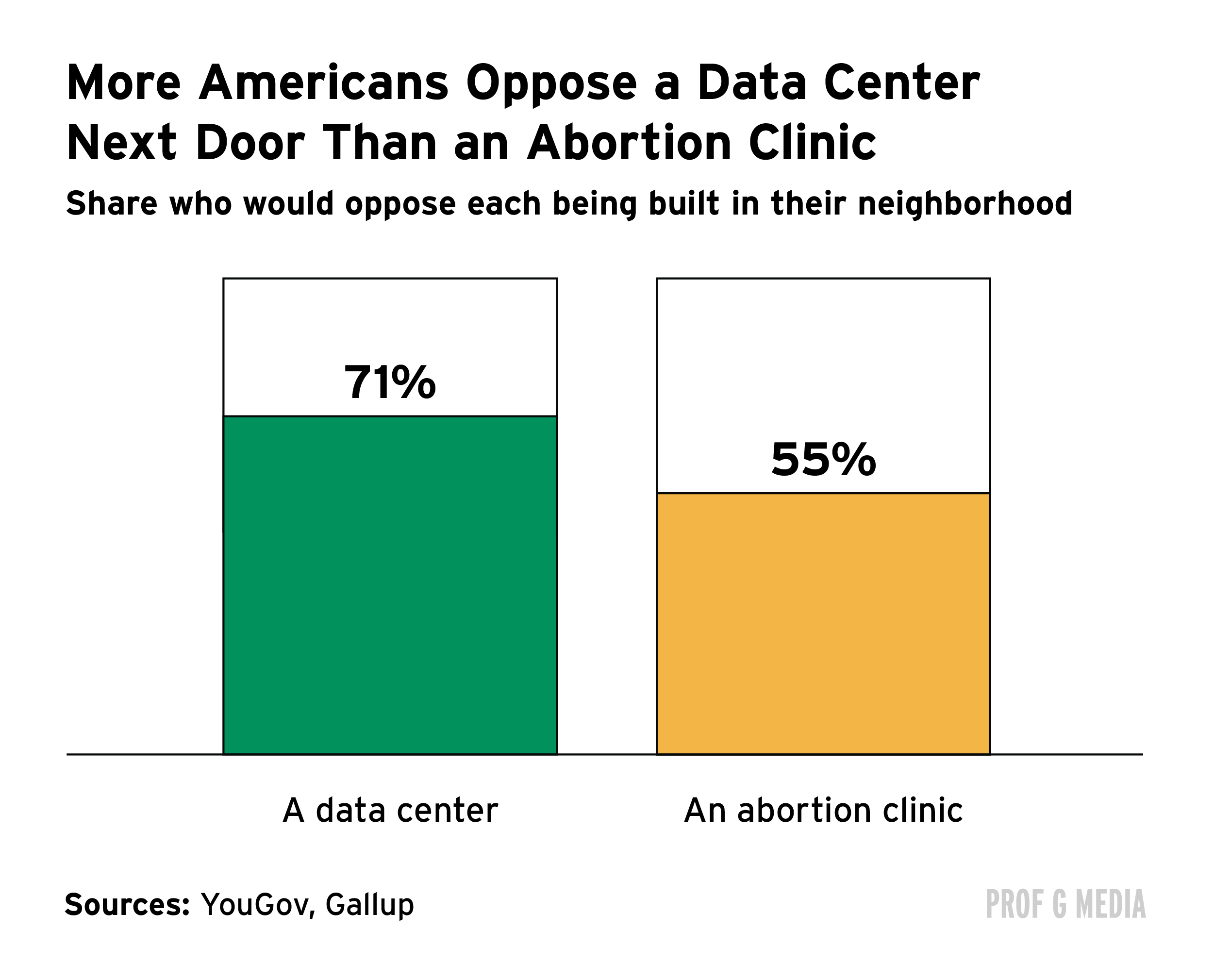
SB Energy isn’t the only company changing its plans. Last week, Aggreko, a modular power company that supplies energy to data centers, said it was delaying its IPO, and Holtec, a nuclear technology firm, withdrew its IPO filing. In a statement, Holtec said uncertainty over data center development had compounded “a set of pre-existing headwinds.” These setbacks come on top of Sam Altman’s decision to push OpenAI’s IPO back to 2027.
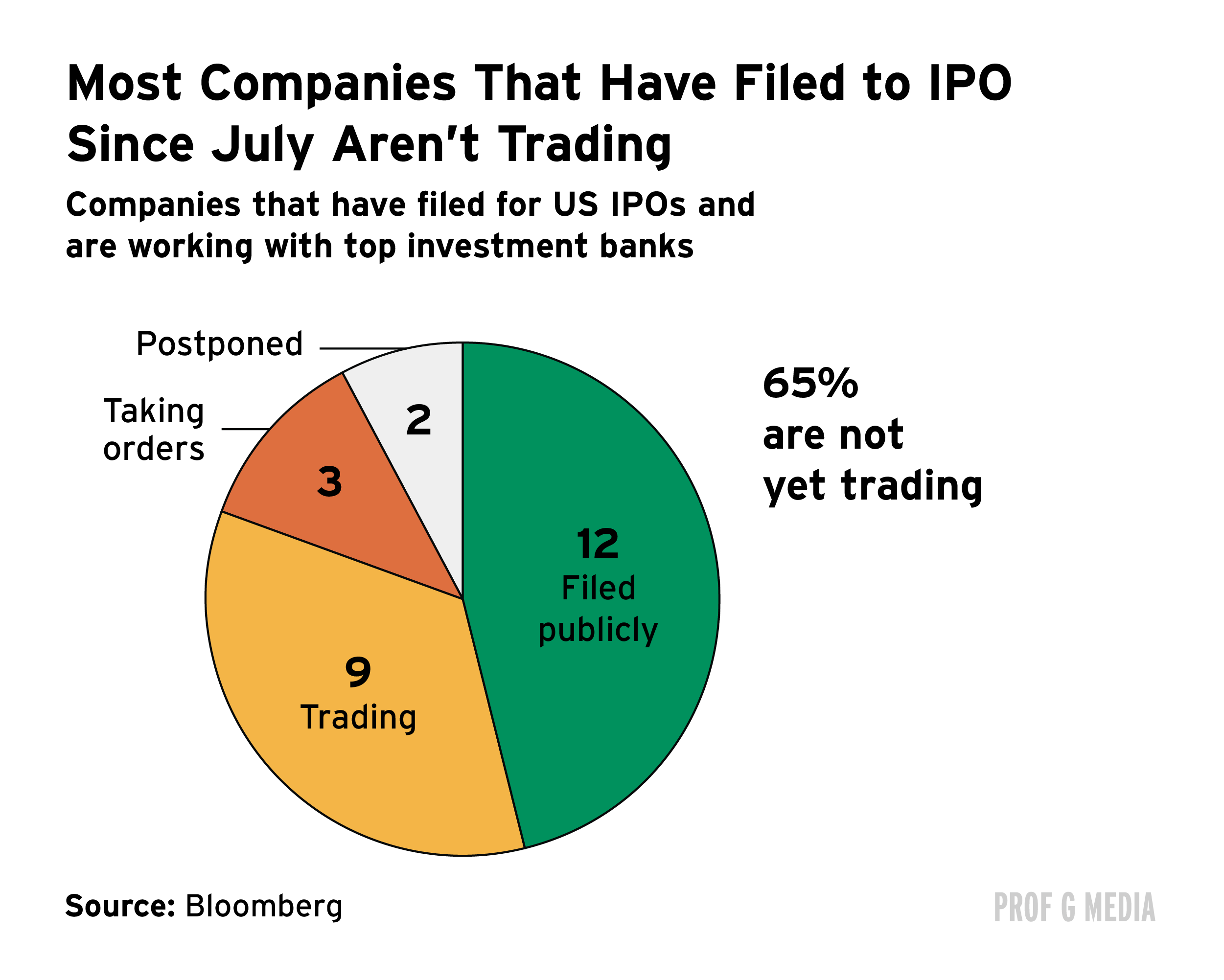
Second-order effects are starting to trickle down to Big Tech. Last week, Oracle sent a force majeure notice to the developer of its data center project. The company wants the option to delay payments if the data center is not operational by 2028. That news sent Oracle’s stock down 4%, and Blue Owl, which is financing the development, down 5%. Debt tied to the development is already trading at stressed levels, below 90 cents on the dollar.



Your Streaming Bill Is Up, but Netflix Stock Is Down 40%
There’s always been one company that seemed destined to win the streaming wars: Netflix. But this year, that certainty has faded.
Since its 52-week high, Netflix stock is down 40%, and it has lost roughly $230 billion in market cap. That’s more than twice as much as Paramount is paying to buy Warner Bros. Discovery.
Netflix faces two challenges: declining engagement, and competition from YouTube and other social video platforms like TikTok and Instagram Reels.
Engagement has stalled. Netflix members watched more than 97 billion hours of content in the first half of this year. That might sound like a lot, but it’s up only 2% year over year, and on a per-subscriber basis, is actually down 8% from the same period in 2023. Meanwhile, overall content spend is expected to grow 10% in 2026.
Netflix’s biggest competitor is now YouTube.
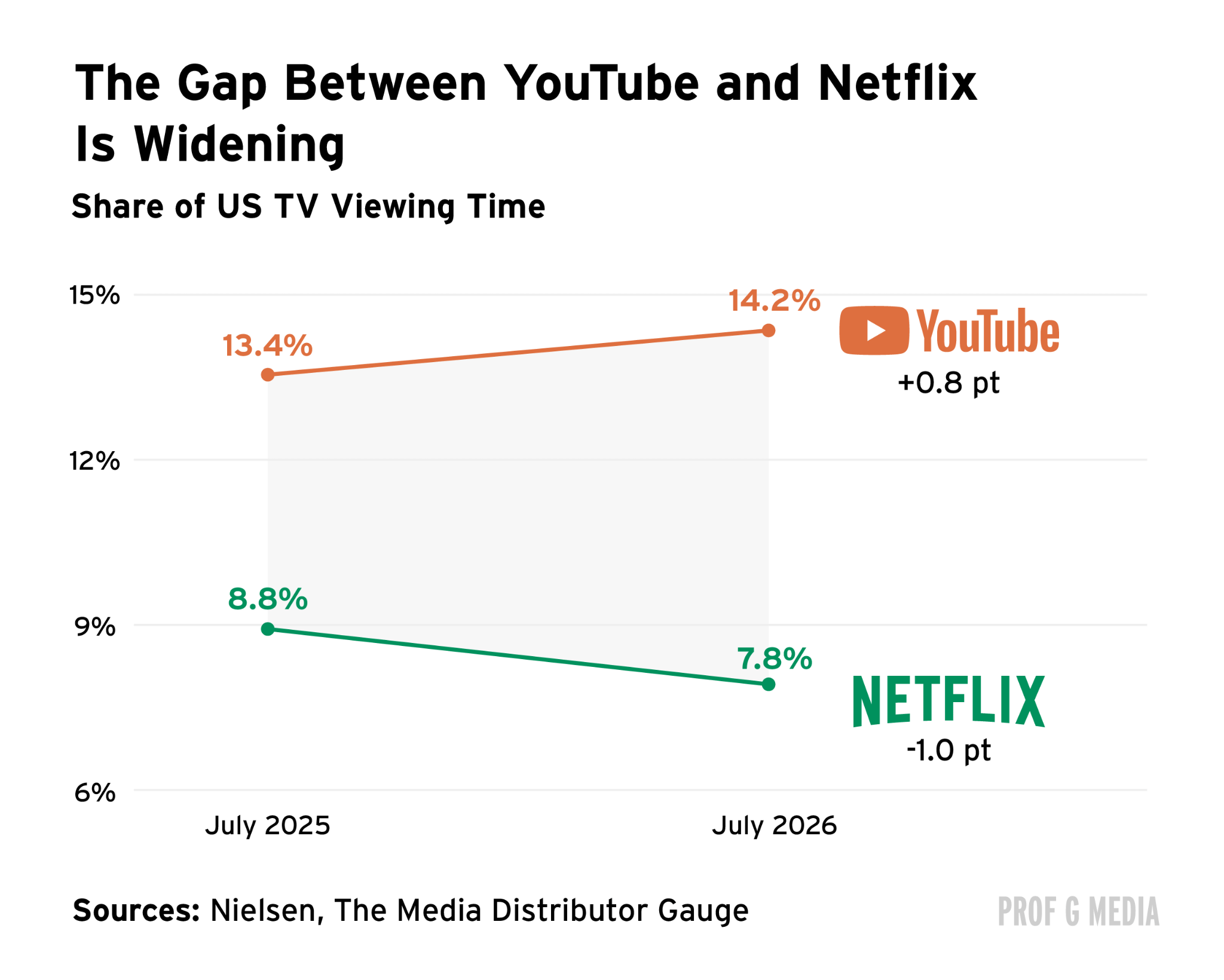
YouTube has something Netflix doesn’t: It’s free. Netflix has increased its prices twice over the past two years, part of a broader trend across the streaming industry. Subscribing to all six main streamers (Netflix, Disney, HBO Max, Hulu, Apple, and Peacock) costs close to $1,400 per year, up 80% from five years ago.
These price increases, referred to as “streamflation,” are straining already tight wallets. Thirty-nine percent of Americans canceled at least one streaming subscription over the past six months, up from 29% in the six months ending in March.
Soon, the streaming wars will have one fewer competitor. Last week, Paramount Skydance settled an antitrust lawsuit that sought to block its $110 billion merger with Warner Bros. Discovery. The case was filed by 12 state attorneys general who worried that the merger would further increase consumer streaming prices and lead to layoffs in the creative industry.
Paramount agreed to various concessions, including setting up independent editorial boards for its news properties (CBS and CNN), increasing domestic production by at least $300 million annually, and committing to releasing at least 30 films per year in theaters. Paramount also settled a lawsuit from the Writers Guild of America, agreeing to no writer layoffs at CBS News Broadcast for five years.

I hear something in Ed’s comments that I also suffer from. It’s one of my biggest flaws as an investor:

Your Doctor Sees You Once a Year. Oura Sees You 23 Hours a Day
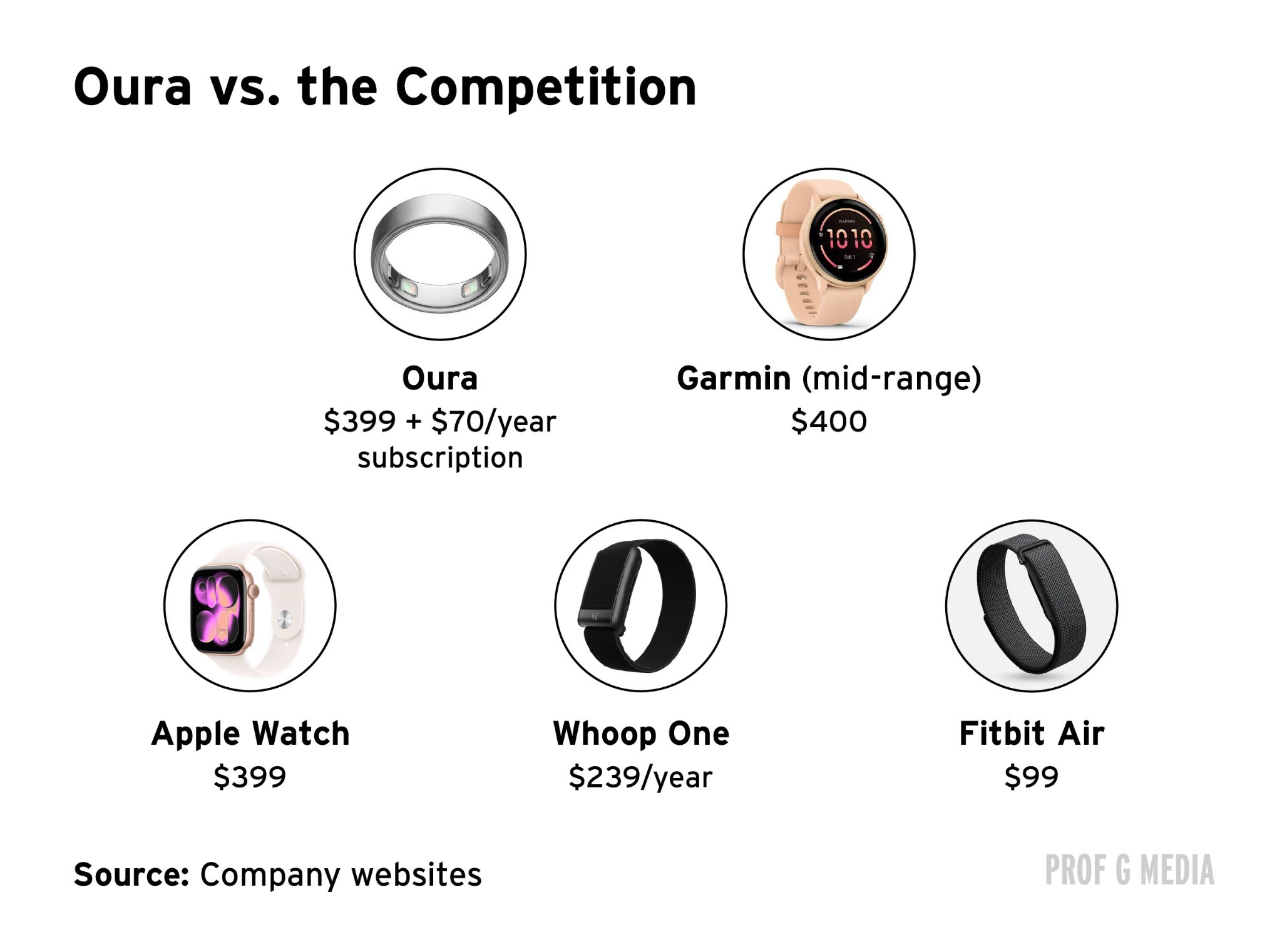
Oura, the maker of the popular smart ring, is planning to go public this week at a $15.6 billion valuation. The offering will be an important test for the IPO market, but also a bellwether for the broader wellness economy. The CEO of Whoop, which manufactures its own fitness tracking band, said the company is also targeting an IPO within the next 18 months.
Healthcare used to consist of a checkup once a year at a hospital. Now, it’s a recreational pursuit and a dinner table topic. Since January 2025, the number of news articles relating to wellness solutions has increased by 36%, and 84% of U.S. consumers say wellness is a top or important priority.
Owning a fitness tracker is now more common among Americans than having a passport or a tattoo.
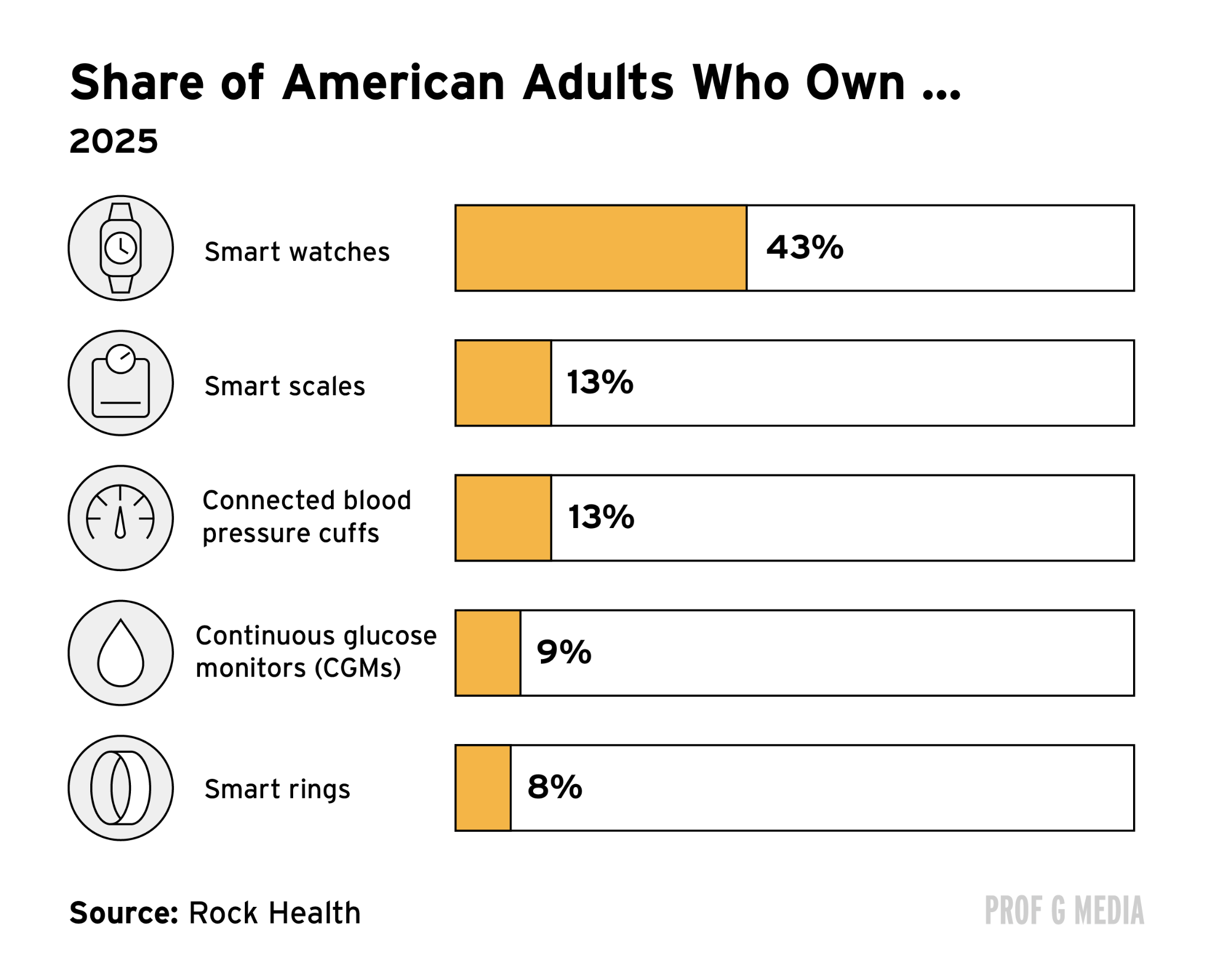
Anyone who knows Oura ring owners can attest: Its users evangelize the product. This helps keep customer acquisition costs down, as 40% of new subscribers come from word of mouth, and its retention rate is 87% — better than Netflix’s or Spotify’s.
Sales hit $1.4 billion over the last 12 months, up 74% year over year, and Oura still has room to grow. Its rings accounted for less than 2% of global wearable shipments last year.
However, Oura’s $16 billion target valuation is steep. It assumes an 11x revenue multiple, and, as Scott wrote in the No Mercy / No Malice newsletter, while that might be appropriate for a high-margin subscription software business, Oura is a company that gets 77% of its revenue from hardware.
Hardware is a lower margin business, and the fitness wearables market is only getting more competitive. Two juggernauts, Apple and MrBeast, are both reportedly developing fitness bands.


Micron is going to beat on earnings this week, and Nike is still in turnaround purgatory.
