



$150
That’s how much New Jersey Transit will charge for a round-trip train ticket between Manhattan and MetLife Stadium during the World Cup this summer.

Two months into the Iran war: The standout markets and the stragglers
What makes a great leader? Learnings from Tim Cook and Reed Hastings
SpaceX strikes $60 billion deal to buy AI coding startup Cursor
Justice Department drops its criminal probe into Powell

Two Months Into the Iran War: The Biggest Market Winners and Losers
The war with Iran reaches its two-month mark tomorrow, double the four-week timeline the Trump administration initially promised – and there’s no end in sight.
Since the start of the conflict, Israel and Taiwan’s stock markets have outperformed, both up 6%. Israel’s performance is likely tied to the war. A weaker Iran ultimately lowers Israel’s long‑term risk premium.
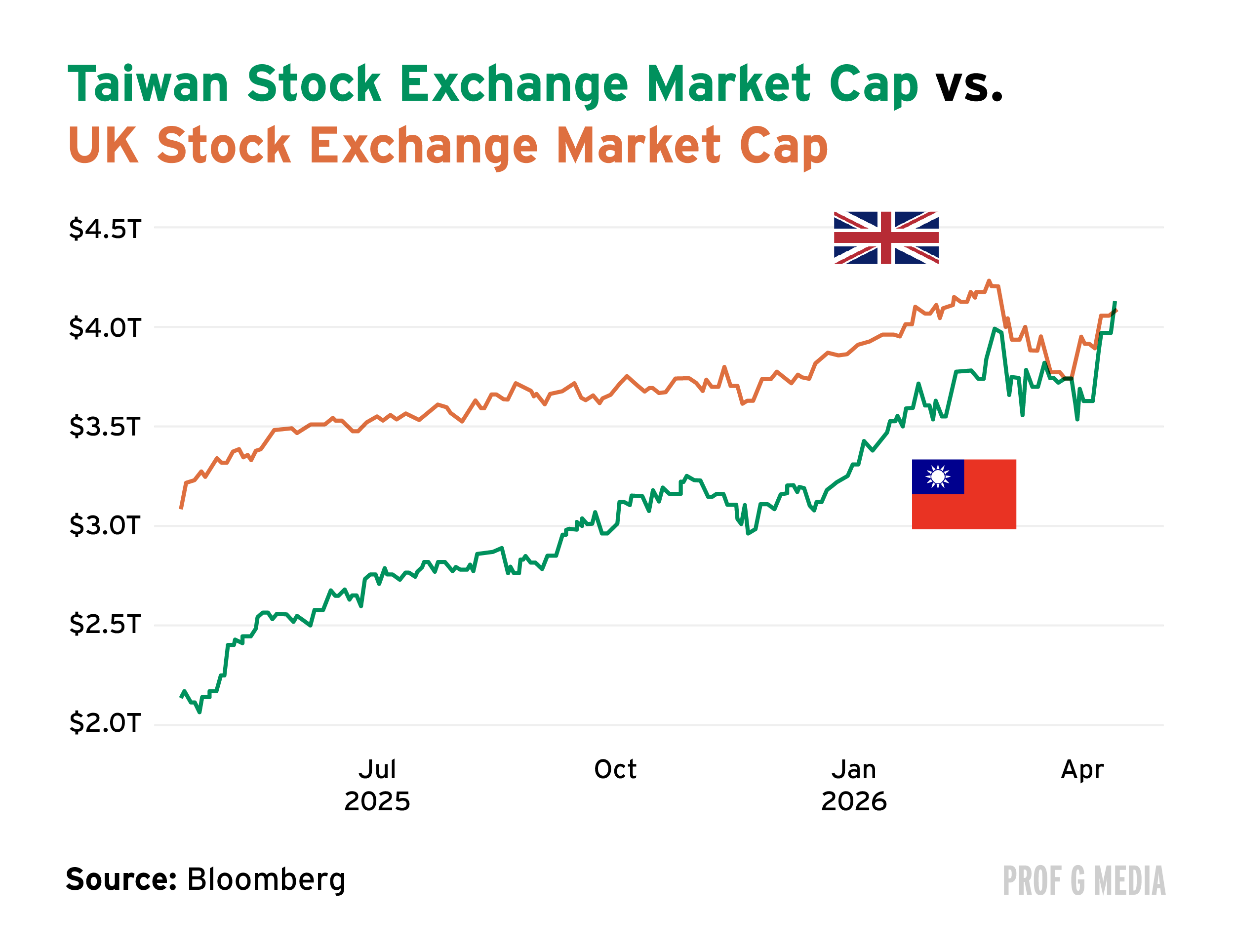
Taiwan’s growth is a reflection of continued investment in AI, and, specifically, TSMC. The company makes up 40% of the entire Taiwan Stock Exchange’s value, and its run-up helped the Taiwan Stock Exchange overtake the U.K. stock market for the first time.
Among the worst performers have been India, the Philippines, and Indonesia; their main indexes are down 4%, 9%, and 10%, respectively. All three countries depend on oil imports, which have gotten scarcer and more expensive — especially as their own local currencies weaken against the dollar. A weaker local currency makes imports and foreign debt more expensive.
The Indonesian rupiah and the Philippine peso are down nearly 4% against the U.S. dollar this year, and the Indian rupee is at its cheapest valuation in nearly 12 years.
Meanwhile, U.S. markets have surged to record highs since the start of the cease-fire on April 8. What may have been optimism about the conflict coming to an end has turned into a rally fueled by strong earnings and AI hype.
Every sector’s earnings estimates have risen since the war began, especially tech, where earnings projections have seen the largest increase in recorded history.
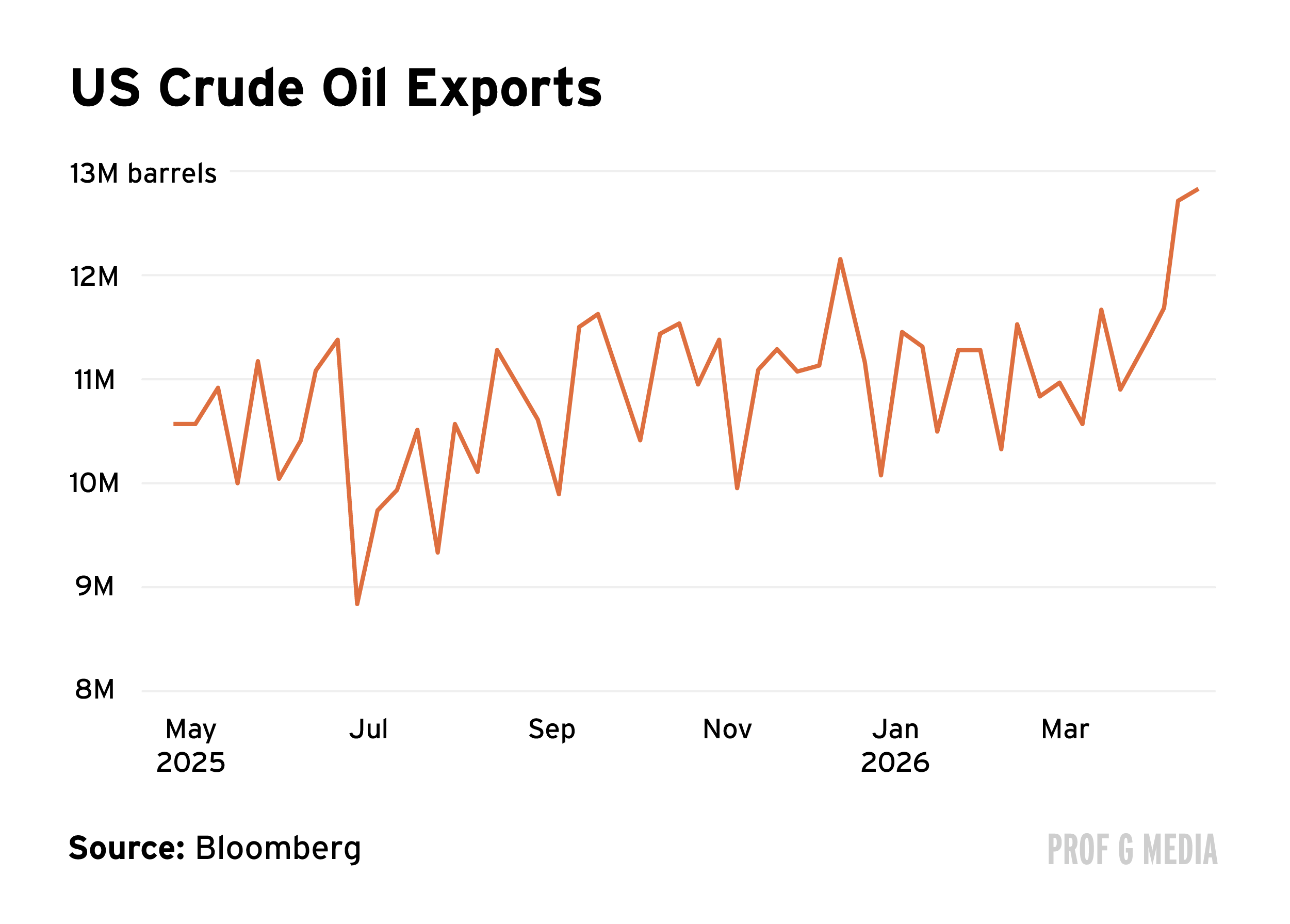
Energy is still the standout sector this year, with U.S. crude on track for its two strongest months ever in April and May. Even so, the sector is down nearly 7% this month as hopes for an Iran peace deal deflated some of the war premium in oil prices.

It feels like there are two main things that determine how you’re doing in the market right now: your proximity to AI, and whether you have a trade surplus of oil — but one is stronger than the other.
Israel and Taiwan have tremendous proximity to AI, but they’re both oil importers. What that says to me is that proximity to AI beats out your need for energy.
Then you look at the U.S. We’re not only ground zero for AI, but we’re also an oil exporter. Increases in oil prices will cost consumers money, but the only difference for oil companies is that they’re now getting 40% more per barrel.
The market has just become this incredibly resilient organism. It’s surviving wars and pandemics. But it still feels like we’re in uncharted territory.
How do you play this market? You don’t. If you’re worried about the world, then diversify. But my view is: always be in the market, and don’t try to time it. It would have been very easy to make an emotional decision in March. Well, of course, the market is down 10 percent. It’s going to be a forever war. But now the markets are back up at record highs.


What Makes a Great Leader?
2026 is shaping up to be a landmark year for corporate succession. Last week, news broke that Tim Cook will step down as CEO of Apple. He’ll be succeeded by John Ternus, senior vice president of hardware engineering.
The week before, Netflix co-founder Reed Hastings announced he would be leaving as executive chairman of the board.
2025 was already a record year for CEO turnover. One in nine CEOs was replaced last year across 1,500 of the biggest publicly traded companies, according to an analysis by executive-recruiting firm Spencer Stuart. That’s the highest rate since 2010.
The new leaders were, on average, younger and less experienced. The average CEO appointee in 2025 was 54 years old, down from nearly 56 in 2024. Ternus, the future CEO of Apple, is 51 years old.
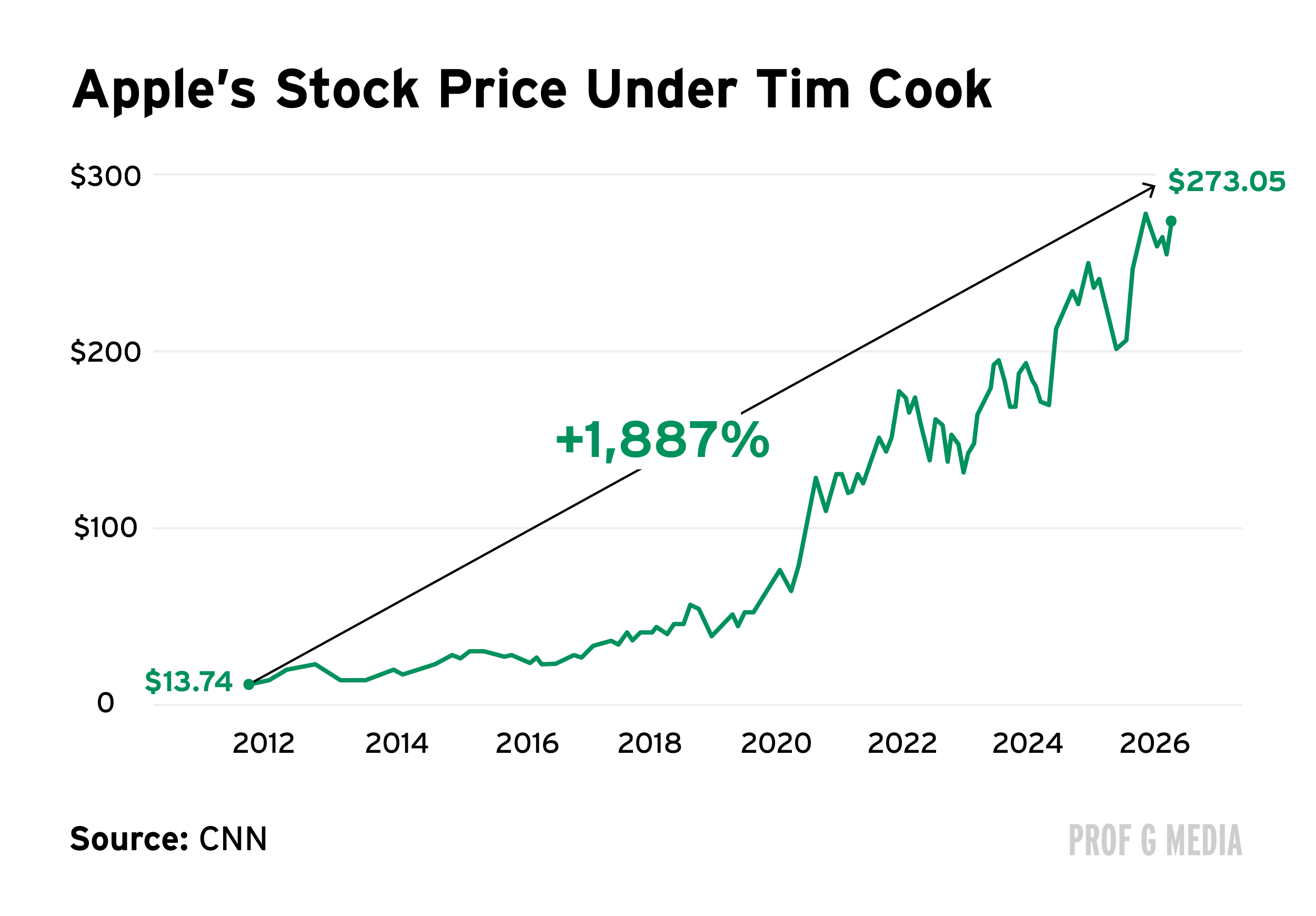
Tim Cook is the most successful successor in history. He inherited the hardest role in business history after Steve Jobs left. Jobs had become something closer to a deity than a CEO. Tim Cook didn’t have to fill shoes. He had to fill Jesus’ sandals.
Cook’s most impressive achievement was reengineering Apple’s supply chain. He cut the number of component suppliers by 75% and established a massive production hub in “iPhone City” in Zhengzhou, where specially trained workers can make up to 350 iPhones per minute. In fact, Apple has trained more than 28 million workers in China since 2008 — larger than the entire labor force of California. Put all of this together, and it’s estimated Cook reduced labor costs per iPhone by nearly 23% while tripling the price.
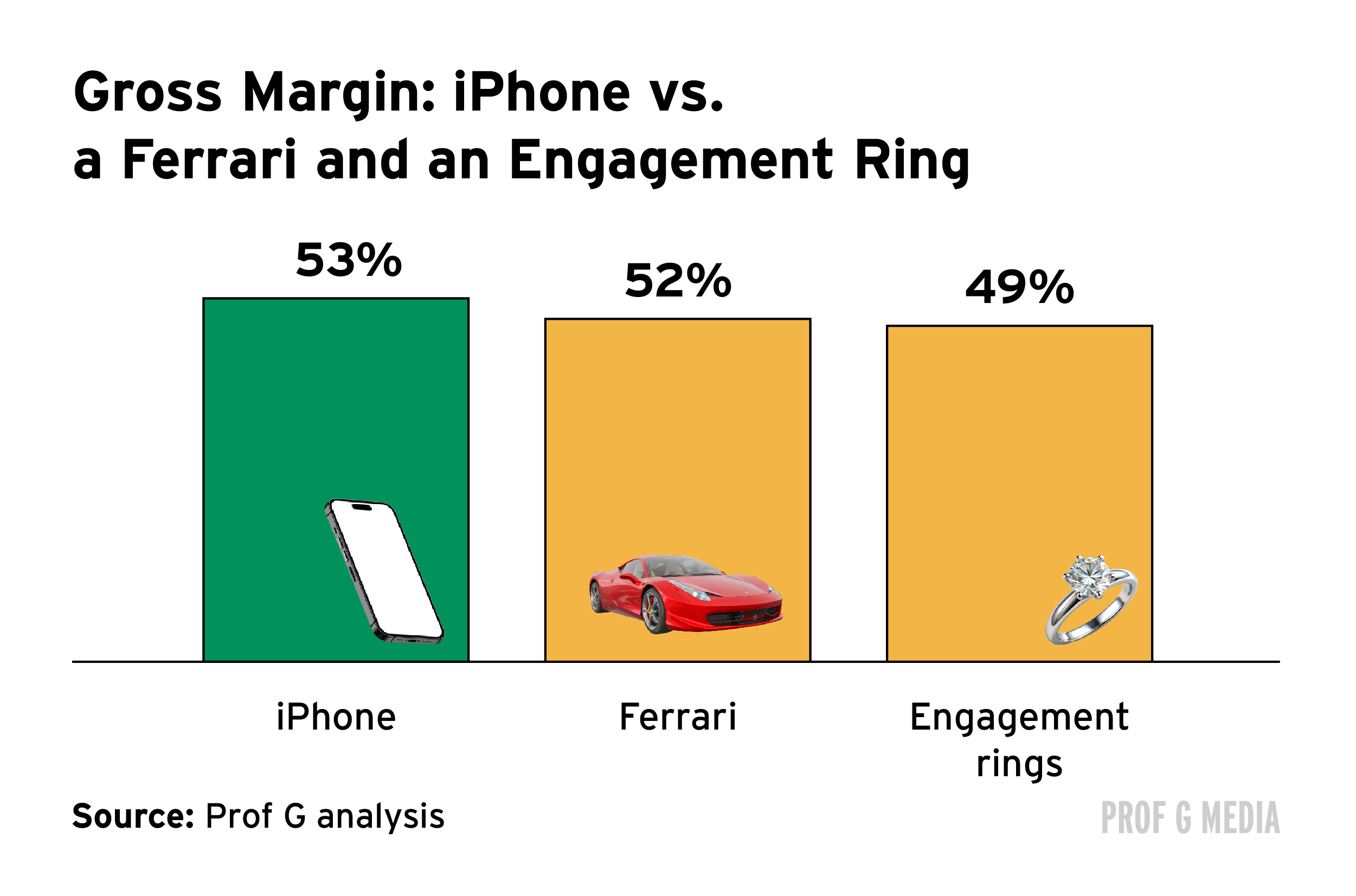
Generally the rules of marketing are you can have an aspirational, niche product like a Ferrari that is highly differentiated and has huge margins, or you can have a product that’s great value where you focus on cost and you have huge production volumes, like Toyota. Apple’s iPhone is the only product I can think of that has the margins of Ferrari with the production volumes of Toyota. It’s arguably the most successful product in history.
Tim Cook’s management style was quiet and methodical. He reportedly embraced the “rule of awkward silence”: When faced with a tough question, you pause and think before you answer. A 2008 Fortune profile said that in meetings Cook was “known for long, uncomfortable pauses, when all you hear is the sound of his tearing the wrapper of the energy bars he constantly eats.”
In another account of Apple’s culture, a manager described how he tried to follow Cook’s example by spending the first 10 minutes of every one‑on‑one just listening, keeping his body language neutral.
“If I gave any reaction at all, people would often tell me what they thought I wanted to hear,” he said. “I found that they were much more likely to say what they really thought — even if it wasn’t what I was hoping to hear — when I was careful not to show what I thought.”
He did have some failures. The Vision Pro was a flop. The car project burned years and resources before he shut it down. Apple Intelligence has underwhelmed. But a CEO without gigantic flops isn’t operating at the frontier, and killing the car project rather than keeping it on life support is the mark of a good operator.
People might say his Trump sycophancy is a bit of a stain on his legacy. But look — I think he decided to take one for the team, and the team was shareholders. I can’t imagine that his skin didn’t crawl going to the Melania premiere.
No one gets it right all of the time. Try and find a CEO who’s been more right than Tim Cook. It is really difficult.

Reed Hastings is known for taking these bold, risky bets that paid off. He took on a $6 billion incumbent (Blockbuster) and invested in original content before any other streaming service. And what happened? Netflix stock returned 26,000% over his tenure against the S&P’s 340%.
He also co-created the Netflix Culture Deck in 2009, which played a foundational role in setting Silicon Valley work culture. Sheryl Sandberg called it one of the most important documents ever to come out of the Valley.
Some of its core principles are:
Adequate performance gets you a generous severance. The fastest way to destroy morale is to let mediocre performers survive.
We are a sports team, not a family. Netflix leaders were instructed to hire, develop, and cut smartly such that there were “stars in every position.” Families don’t lay people off.
The keeper test. Managers were encouraged to regularly ask themselves: If this person quit tomorrow, would I fight to keep them? If the answer was no, they would get generous severance. The woman who co-created the test with him, Patty McCord, was eventually let go by the very standard she helped build.
Take recruiter calls. Hastings encouraged employees to take calls from competitors. Transparency about market value benefits everyone.
When someone was fired, the whole team was told why. The philosophy behind it was the same one that ran through everything Hastings built: Honesty, even when it’s uncomfortable, produces better outcomes than the alternative.
No vacation policy, no expense approvals. Just act in Netflix’s best interest. This eventually became a norm across Silicon Valley.

sponsored content
Don’t wait to become a victim. Take control of your identity
Over 422 million people had their personal data exposed last year alone. And the easiest targets? People whose info is still floating around online.
Incogni tracks down and removes your personal details from over 420+ data broker sites, people-search pages, public records, and more—automatically. They periodically check if your information appears on the data broker sites and remove it, so you get total peace of mind.
With their Unlimited plan, you can go even further. Google yourself and send them any link you find with your info on it. Their privacy team will assist you in getting it wiped.
Stop making it easy for identity thieves. Lock down your personal data before criminals take advantage of it.
Get 55% off with the code PROFG
sponsored content

SpaceX Moves to Acquire Cursor as It Preps for a Massive IPO
Last week, SpaceX secured the option to acquire AI coding startup Cursor for $60 billion. If SpaceX doesn’t exercise the option, it will pay Cursor $10 billion (essentially a breakup fee). The timing is notable, as SpaceX prepares for what could be the biggest IPO in history.
Standard breakup fees are usually 2% to 4% of deal value, so this one (17% of deal value) is unusually large.
Cursor was founded in 2023 by a group of MIT students. In less than two years, the company hit $100 million in annualized revenue; now, ARR sits at $2 billion and 67% of Fortune 500 companies use the product.
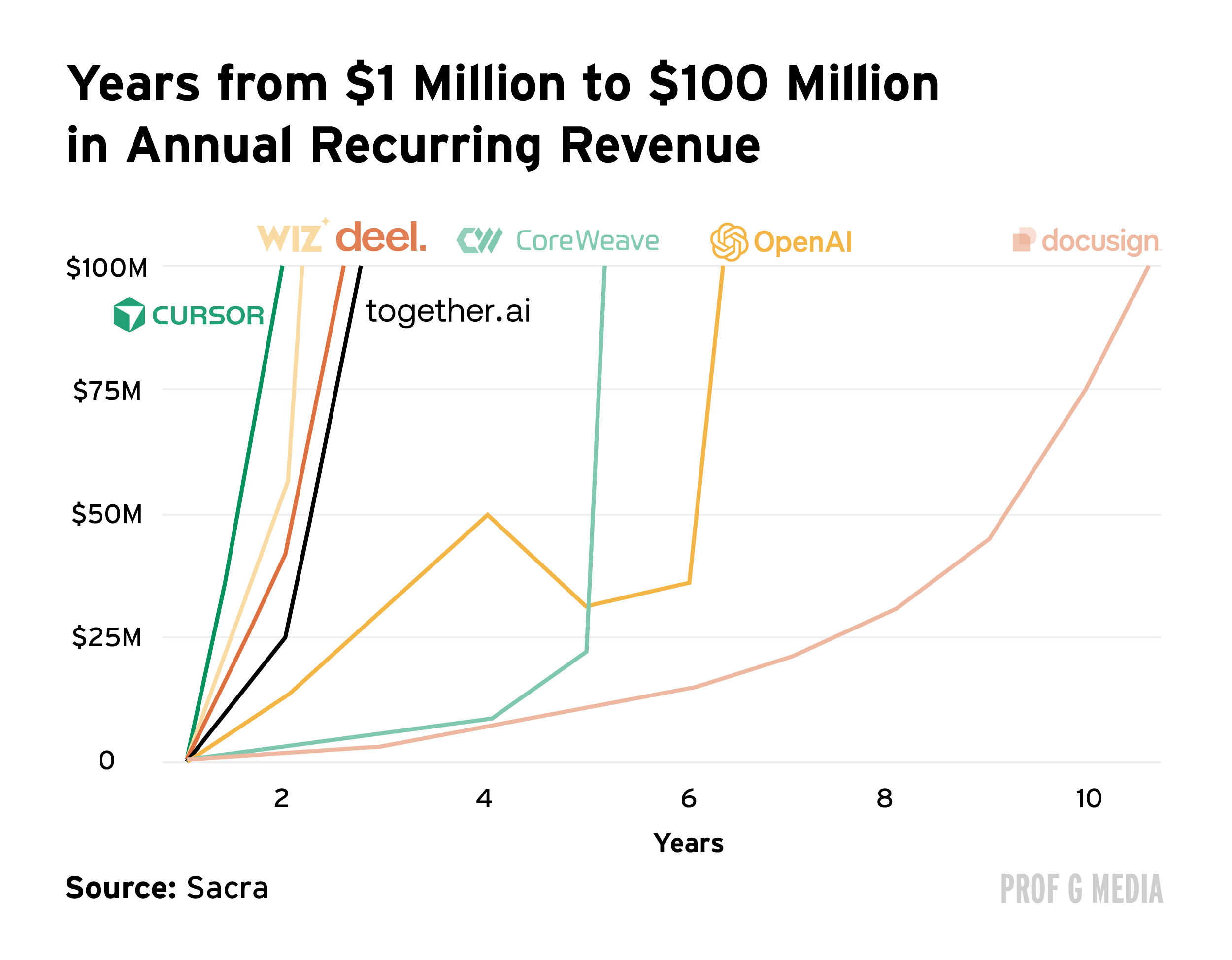
This acquisition makes slightly more sense than headlines reveal. Cursor has a real AI product and valuable coding data — both assets that SpaceX’s subcompany xAI will use. SpaceX and xAI have excess compute capacity after building Colossus, the xAI supercomputer that Elon Musk has described as having compute equivalent to 1 million Nvidia H100 chips. Together, Cursor will help improve xAI’s models, while Cursor gets access to a giant pool of GPUs.
The deal may help convince potential IPO investors that SpaceX isn’t just a space company — it’s an AI company. Either way, it will be huge. SpaceX is reportedly working with 21 banks and targeting a June IPO.
xAI is desperate, and I think Cursor is an attempt to establish a front end that might help them get more actual revenues going.
There’s a saying that statisticians lie, and liars use statistics. The thing that struck me about the deal is that this $60 billion number just feels like such bullsh*t to me. First off, nobody’s cashing a check for $60 billion. SpaceX only has $25 billion in cash on hand. I’d love to see the actual deal terms, but it’s something along the lines of, if we go public and you stay for a couple years, you’ll get options on 3% of the company.
These numbers are more about a press release and a jaw drop-value than they are about something that’s actually real. Musk is just stuffing more rabbits into the hat.
If you add the valuations of OpenAI, Anthropic, and SpaceX, their combined market cap could exceed the value of every single IPO from the dot-com era combined.
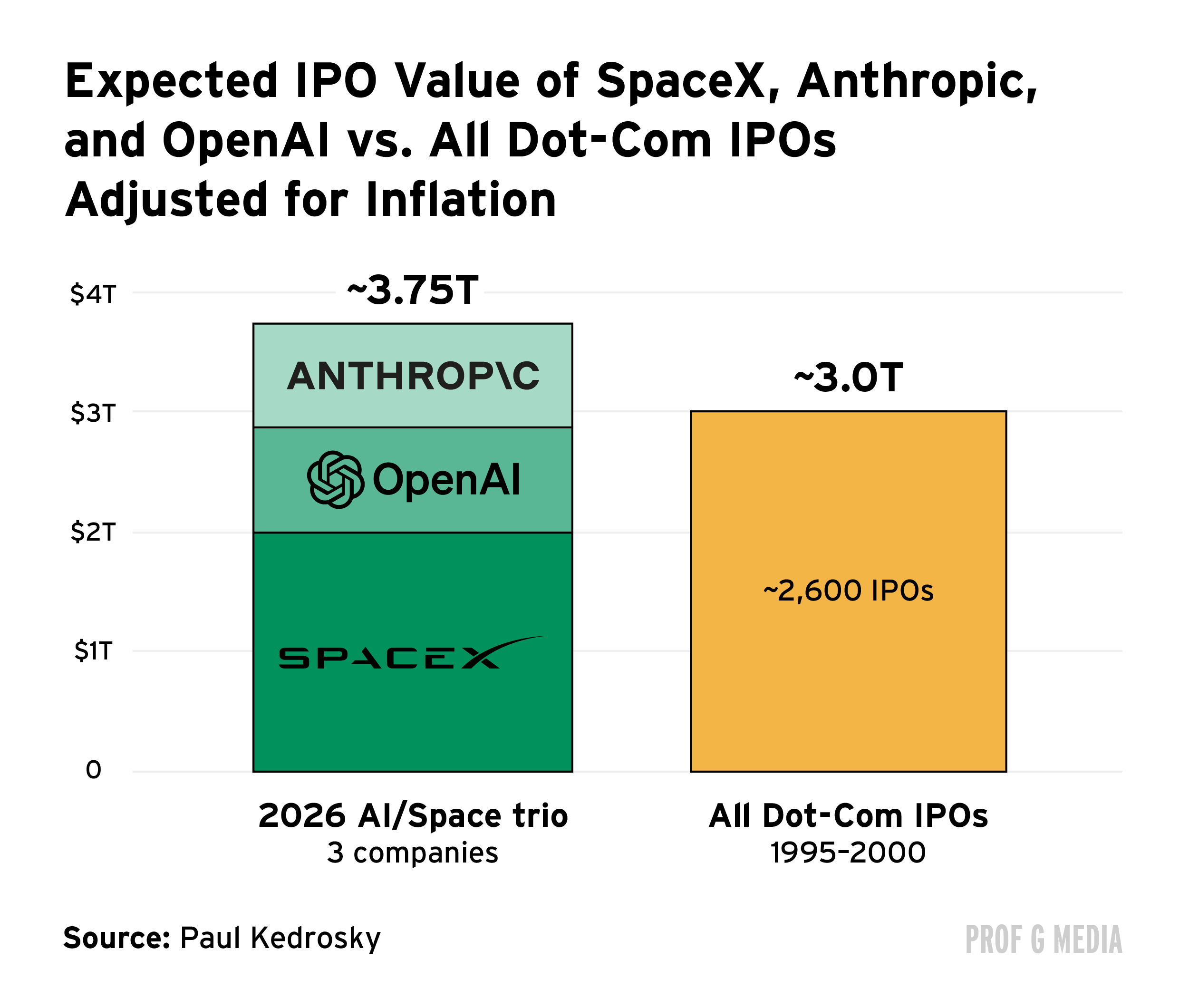
We’re looking at one of the biggest moments in financial markets in a really long time. Between the OpenAI, Anthropic, and SpaceX IPOs, we’re going to be inserting almost $4 trillion in value into the markets, while, at the same time, adding zero dollars in earnings because all of them are burning billions in cash. SpaceX lost $5 billion last year. OpenAI is expected to lose $14 billion this year.
We’re now getting to a point where private companies are doing all of the things that gigantic public corporations would do. They’re spending tens of billions of dollars on huge M&A transactions; they have valuations in the hundreds of billions. But they have no obligation to actually disclose the facts. We don’t even know Cursor’s exact revenue.
When we finally see the S-1s, there’s gonna be no more capacity for the bullsh*t we’ve been receiving in the past several years. I think it’s very possible that suddenly investors realize that the SpaceX conglomerate is pretty ugly.


Justice Department Drops Its Criminal Probe Into Powell
The Department of Justice dropped its criminal investigation of Federal Reserve Chair Jerome Powell on Friday. The decision clears the way for Kevin Warsh’s confirmation as the next Fed Chair.
Prosecutors were focused on whether Powell lied to Congress about the cost of Federal Reserve office renovations. However, many saw the case as a thinly veiled attempt by the President to remove Powell from his position. Trump has repeatedly criticized Powell for keeping interest rates higher than he’d like.
Now that the case has been dropped, the Senate banking committee is expected to vote to advance Warsh’s nomination on Wednesday, putting him on track to be confirmed before Powell’s term as Fed chair ends on May 15.

The biggest IPO in history will be SpaceX. The best-performing IPO will be Anthropic, and I don’t think OpenAI gets out. OpenAI has been so overshadowed by the upward trajectory of Anthropic, that I think they’re gonna come up with a jazz hands reason for why they’re delaying a public offering.

We’re recording live shows in San Francisco, LA, Miami, Chicago, and New York. May 27–June 2. Get your tickets here and tell us what kinds of bonus content you’d like to see, in the comments (Scott-ism Bingo, drinking games, etc.).

How the Iran war put billions of Gulf-backed dealmaking in doubt
Does your boss have AI brain?
Is the US falling out of love with cocaine?
There is a typo in the Tim Cook bit. That’s how we know a human wrote this.
>> He reportedly embraced the “rule of awkward science”, should be “…silence”
"Between the OpenAI, Anthropic, and SpaceX IPOs, we’re going to be inserting almost $4 trillion in value into the markets." Won't that be mostly reult in a movement of money from existing investments to the IPO's? So, a reduction in price for the sold investment, better P/E, so a buying opportunity for some good businesses?