President Trump used his Davos address to highlight two of his highest-profile affordability proposals:
Banning institutional investors from buying single-family homes
Capping credit card interest rates at 10% for one year
The proposals drew mixed reactions from Wall Street. JPMorgan CEO Jamie Dimon called a 10% credit card rate cap an “economic disaster.” However, Citi and Bank of America are reportedly exploring cards priced at or near 10%, a sharp drop from current average rates above 20%.
Trump initially asked banks to voluntarily cut rates, setting January 20 as a deadline for issuers to lower interest rates to 10% for one year. After banks changed nothing, Trump shifted to urging Congress to pass legislation mandating the cap.
Meanwhile, Trump’s housing proposal inched closer to policy last week. On Tuesday, Trump issued an executive order instructing the Justice Department and the Federal Trade Commission to examine whether large investors’ housing purchases are anticompetitive.
The order stated that in 30 days, Treasury Secretary Scott Bessent will define what qualifies as a “large institutional investor” and a “single-family home,” and direct federal agencies to codify a specific policy.
Even if both proposals were implemented, would they change anything?
Housing
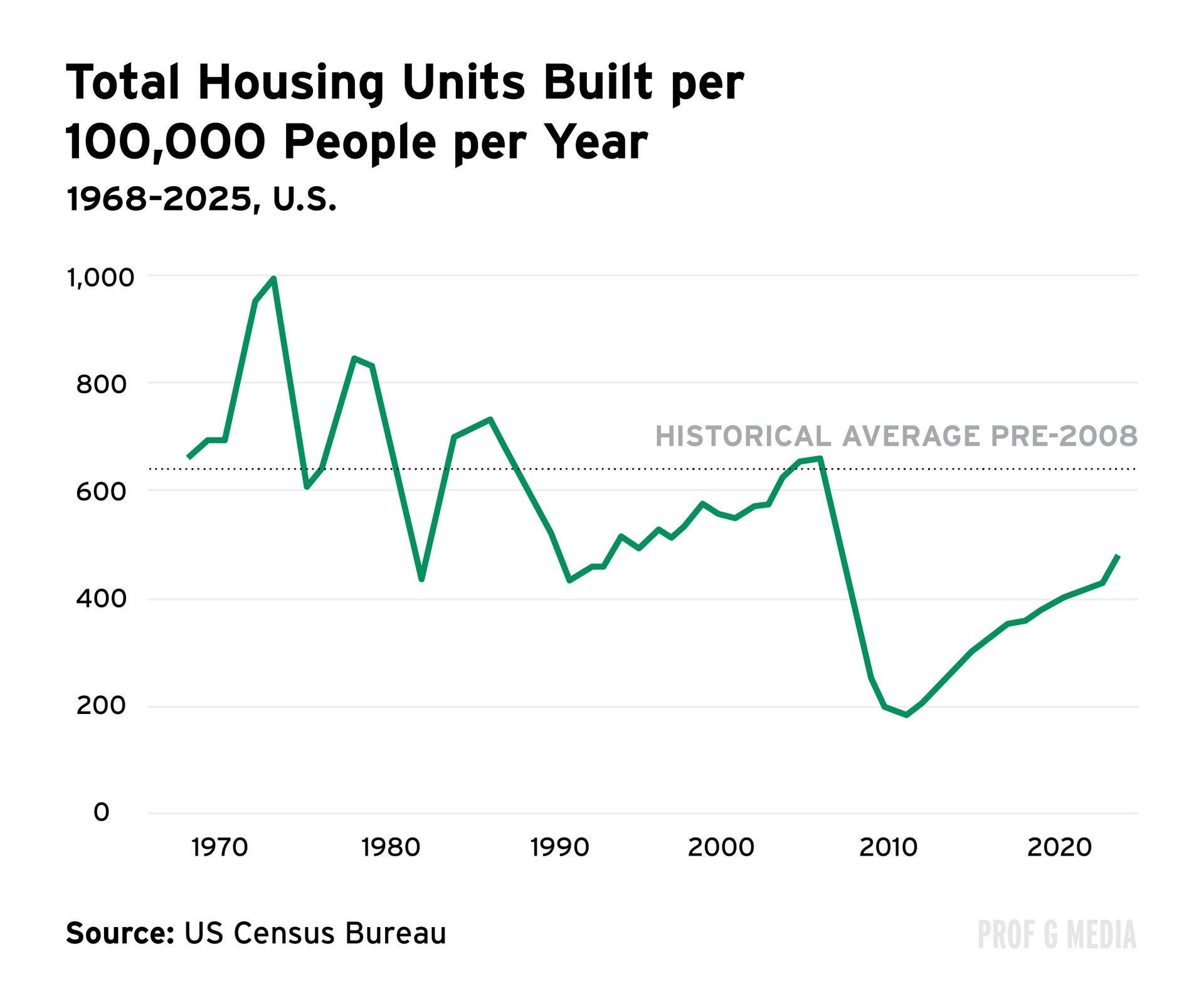
Economists are skeptical that a ban on institutional ownership would meaningfully improve affordability. Institutional investors own only about 2% of the single-family rental market nationally, and banning them from buying more wouldn’t solve the underlying problem: supply.
Credit Cards
President Trump cited credit card debt as one of the “biggest barriers” to saving for a down payment. He’s right that it’s a problem — nearly half of Americans (47%) carry credit card debt, and 22% don’t think they’ll ever pay it off.
Research from Vanderbilt University found that if rates were capped at 10%, consumers could save $100 billion per year, or $899 per person. However, that would also mean banks might start refusing credit to people with lower credit scores.
The same study concluded that a 15% cap would save consumers $48 billion annually without requiring any business model adjustments or affecting lending volumes.
Trump’s credit card proposals face a long and uncertain legislative path. Congress has already reintroduced a bill to cap interest rates at 10%, but it lost momentum in the House of Representatives. Though it has some bipartisan support, it’s up against hardcore republicans and $50 million in lobbying from the banking industry.

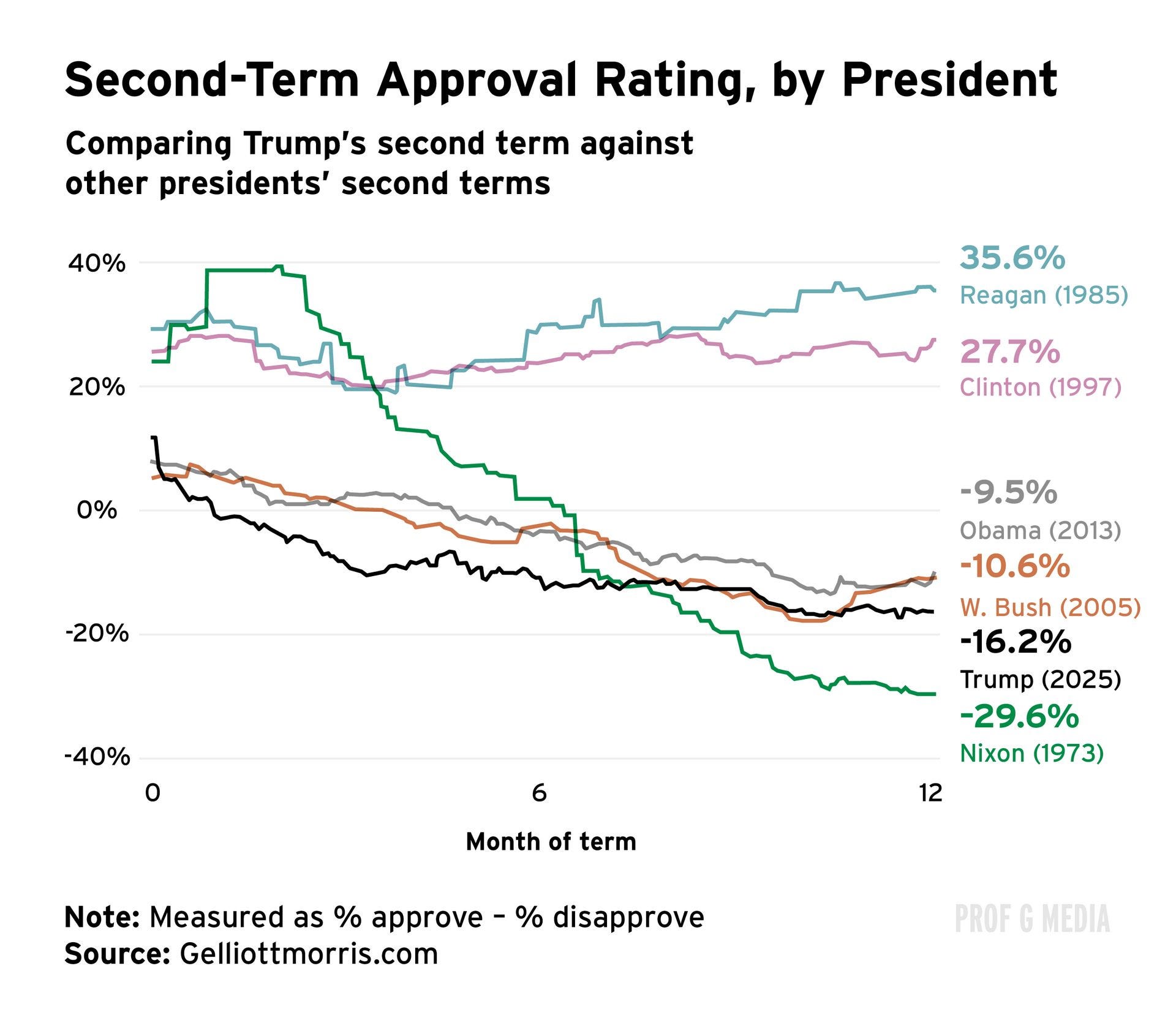
The American public isn’t happy. Trump currently has the worst approval rating of any second-term president in history except for Nixon. And among Gen Z, his net approval rating has dropped 42 points from where it was in February last year.
From TACO to Powell, Trump seems to be unraveling. That would explain all these new affordability proposals. He’s trying to reverse the damage he’s already done.