


Before we get into the post, an exciting update: Prof G Markets is going on tour. (Yes, it’s finally happening.) Starting May 27th, Scott and I are headed to San Francisco, Los Angeles, Chicago, Miami, and New York. We’ve booked some of the most iconic venues in the nation, so do not miss out. You can book your tickets here — excited to see you. Now onto the post.
Two months ago I wrote a piece arguing that AI’s greatest obstacle isn’t energy supply or compute, but its lack of popularity. I’d noticed how public sentiment towards AI was souring. More and more Americans said they either didn’t like AI or didn’t trust it. So my contention was that if the AI buildout were to fail for any reason, it wouldn’t be for the reasons Wall Street had worried about — it would be because America hated it.
A month before, I wrote a similar piece called “Death or Taxes.” I argued that wealth inequality in America had become untenable, and that the next logical chapter in the story was either mass redistribution or violence. This view was based on history. Every previous society whose wealth disparities had reached levels like ours were ultimately unwound by war and bloodshed — from revolutionary Russia to revolutionary France.
So you’ll understand why last week, I was shocked but not surprised to read the following disturbing headline: “Suspect in attack at Sam Altman’s house aimed to kill OpenAI CEO, warned of humanity’s extinction from AI”. And then, two days later, a similar one: “Sam Altman’s house targeted in second attack; two suspects arrested.”
Two assassination attempts on the CEO of OpenAI in one week. One thought came to mind: We’re just getting started.
How Did We Get Here?
Let’s first be clear: These attacks are reprehensible. It doesn’t matter what you think of Sam Altman. He does not deserve to be attacked or harassed, let alone murdered. But just because they were wrong doesn’t mean they were unexpected. To understand how we got here, you have to understand the broader context.
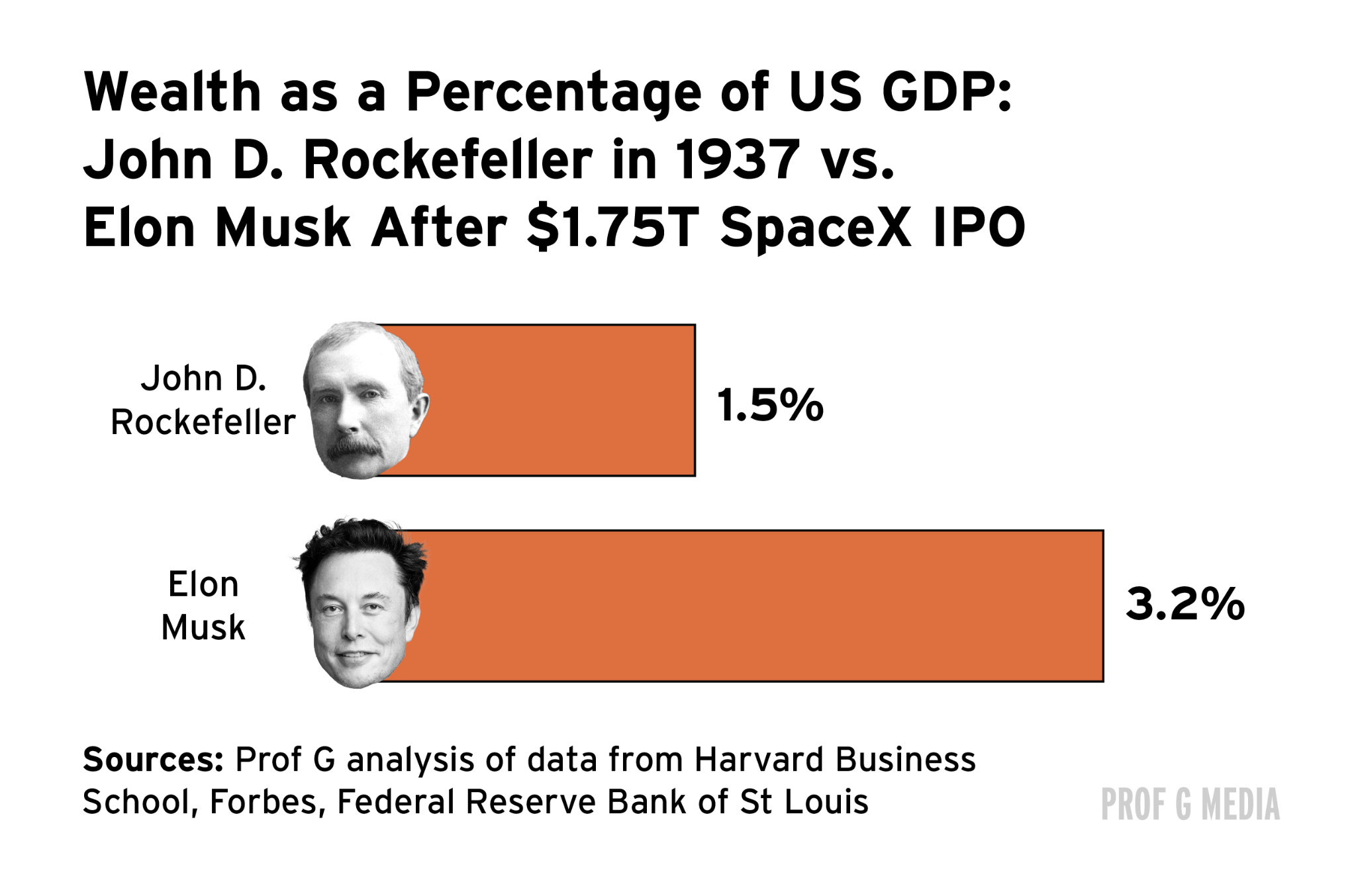
Some numbers: In a few months time, America will be home to roughly 36 million people living in poverty (a tenth of the population) and also the world’s first trillionaire. Assuming the SpaceX IPO goes to plan, Elon Musk’s net worth will be equal to roughly 3.2% of U.S. GDP. That’s more than double what John D. Rockefeller’s net worth was in the late 30s, meaning Elon will be, on a relative basis, the richest man in U.S. history. The top nineteen households in America now control roughly 2% of the nation’s total wealth — more than the bottom 65 million put together. The top 1% own half of the entire stock market. Many Americans feel our system is rigged, and they’re increasingly rallying around a collective disdain for a specific demographic: billionaires.
At the same time, AI technology has promised to upend our economy, from eliminating millions of jobs to concentrating unprecedented levels of wealth. It makes sense, then, that AI has become linked to those same circumstances millions are so upset about. AI has already minted fifty new billionaires in 2025 alone and made existing billionaires roughly half a trillion dollars richer. Since ChatGPT was released in 2022, the wealth of the top 1% has risen by $15 trillion. For the roughly 40% who don’t own stocks, AI’s made them zero dollars.
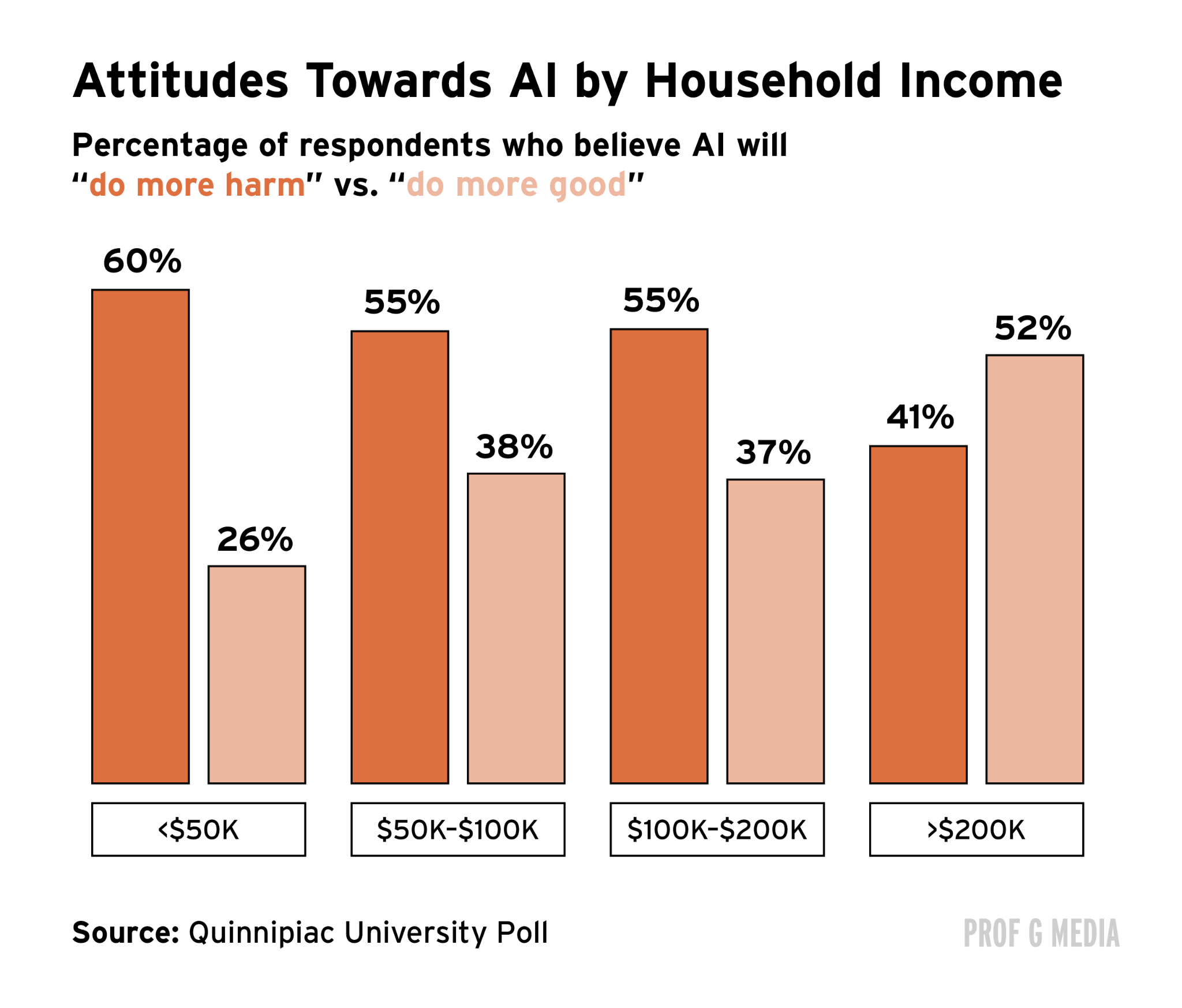
So when you ask Americans how they feel about AI, it’s no surprise that the only group that feels net positive about it are … people who make more than $200,000 a year. As you go down the income ladder, AI anxiety gets worse and worse. Put another way, the average American’s support for AI can best be estimated by the following simple question: Are you rich, or are you poor?
PR Problems
OpenAI is aware of the problem and working to address it. Sam Altman recently said that if AI were a political candidate, “it would be the least popular one in history.” He’s right. In fact, AI is now less popular than ICE. So Sam is now working on cleaning his image. He recently acquired a tech podcast which he hopes will offer “better marketing for AI,” and has also gone on some popular shows such as Theo Von’s and Stephen Colbert’s. Points for trying.
But the truth is no amount of PR will fix AI’s underlying problem. Yes, there’s bad PR (such as saying your technology will cause an economic apocalypse), but so long as U.S. wealth inequality remains this severe, no one’s going to start feeling good about the technology. The issues simply run deeper than that. In other words, AI’s problem isn’t messaging — it’s policy.
This, however, is where AI leaders are put into a tough spot, because the reality is they have been advocating for policy change. Dario Amodei has proposed various policies to offset the disruptive force of AI. OpenAI recently called for higher taxation and wealth distribution. The trouble isn’t that AI CEOs don’t get it. The trouble is that policymakers aren’t listening.
Let’s Do Nothing
Few individuals have done less for AI than (former) AI Czar David Sacks whose literal job was to do something about AI. Instead, he made it a point of pride to do nothing — and it’s now coming back to bite the industry in the form of Molotov cocktails.
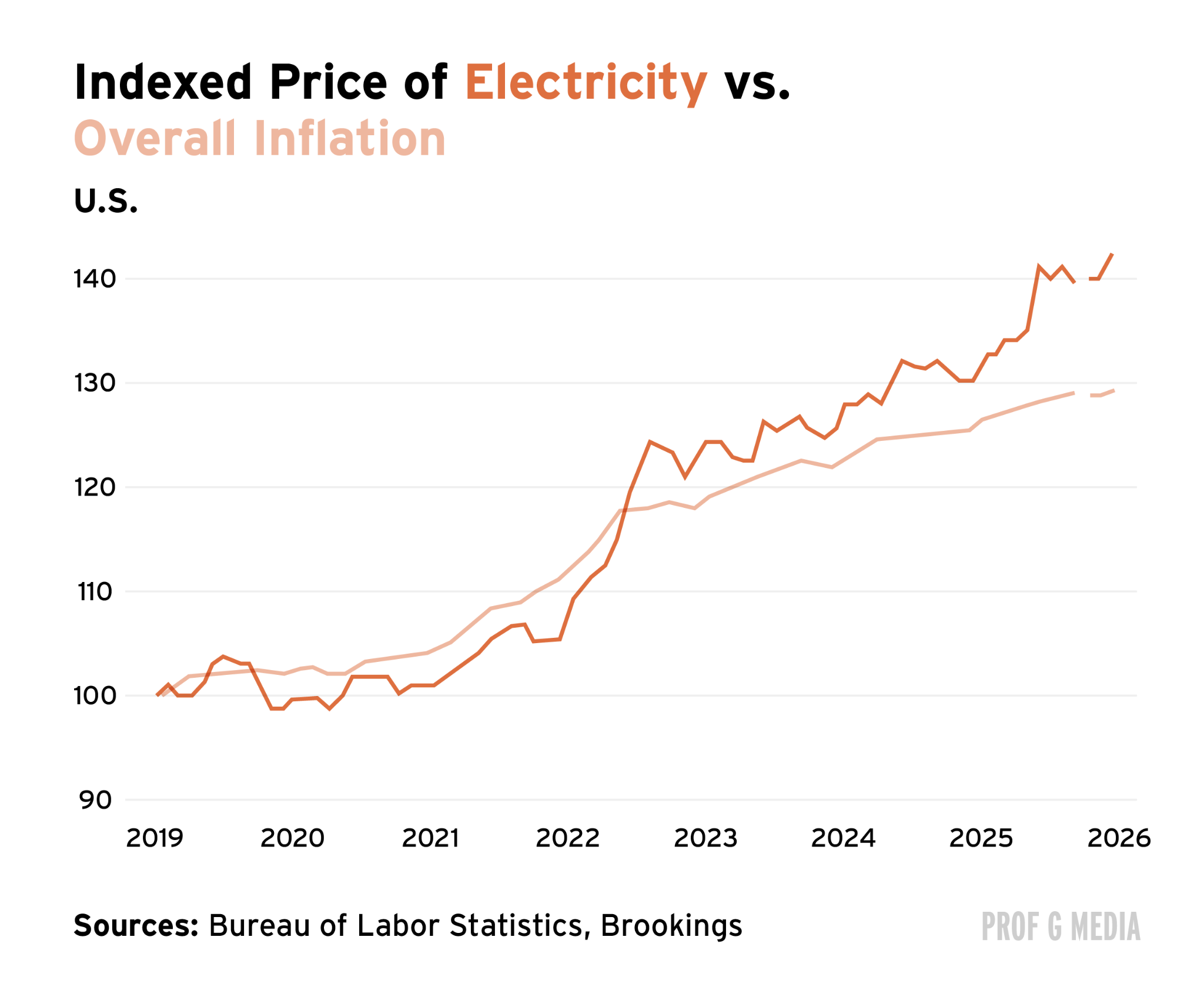
As electric costs surged and billionaire wealth ballooned, Mr. Sacks sought out federal policy that would literally ban states from regulating AI. He also established an “AI taskforce” (promising), whose purpose was to hunt down AI policy proposals and terminate them (oh). David Sacks set the tone for AI policy, which Trump ultimately adopted: Don’t let anyone regulate AI. As I’ve written before, this policy was the product of a Libertarian Mind Virus that’s infected the minds of leaders across the nation — the belief that regulation of any kind is un-American and awful.
The sad truth about our government is that we’re systematically dismantling it. From the defunding of the IRS to the erosion of the DOJ, the past several decades of U.S. policymaking have been characterized by a steady decay. Our last congress passed fewer bills than any in modern history. Billionaires wanted no government, and no government they got. The irony is that by doing this, they stripped AI of the one thing it needed to fix itself.
The Next Chapter
If AI can neither message nor regulate its way out of odium, then the most likely outcome is things will continue as is. That means more “isolated incidents” to the point where they’re no longer isolated. America’s wealth Gini coefficient now sits at 0.83, equal to Revolutionary France. If the French’s response was to cut people’s heads off, is attacking Sam Altman an isolated incident or the response?
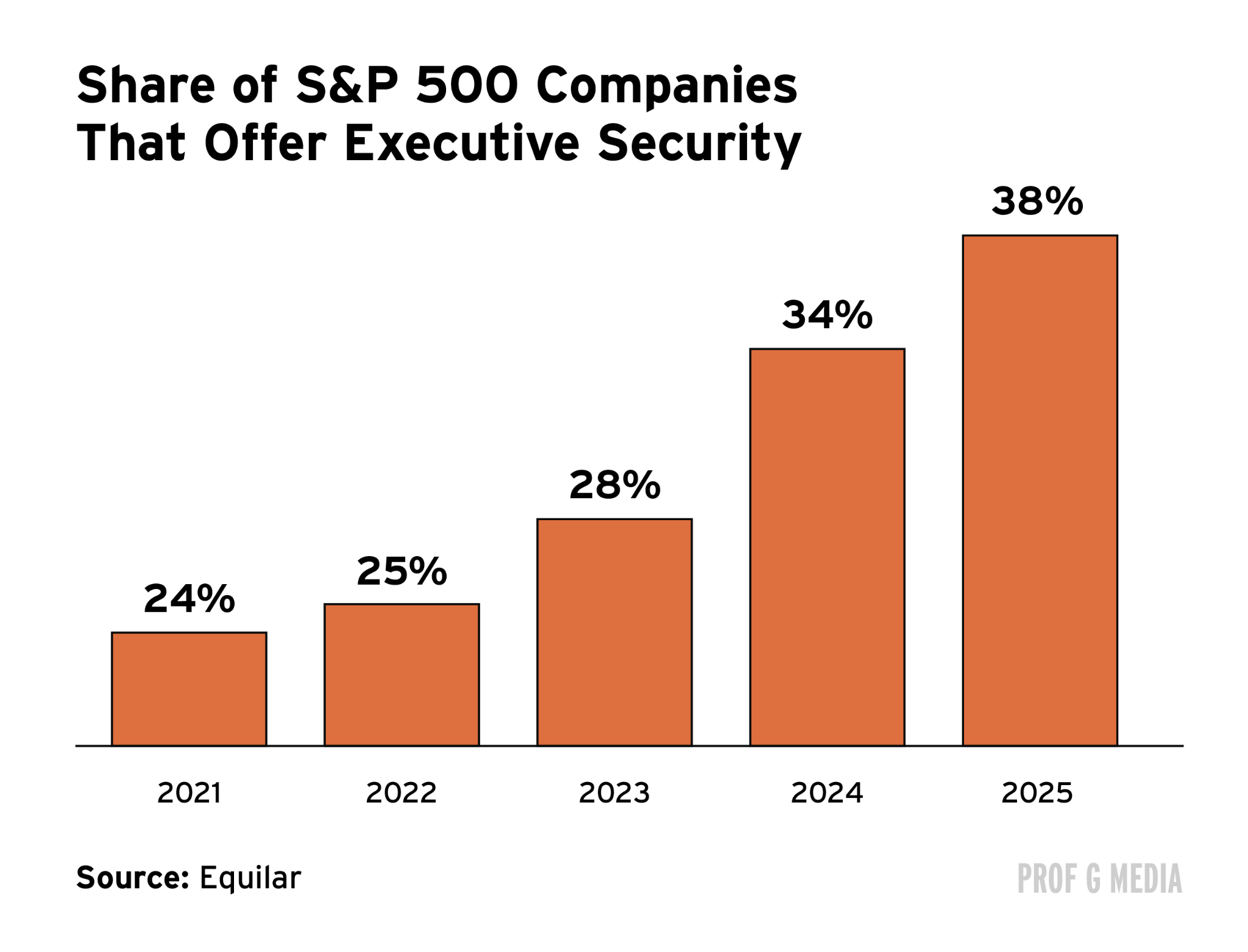
Either way, executives are getting wise to it. Nearly forty percent of S&P 500 companies now provide private security for their executives, up from 24 percent just four years earlier. Private security is the “hot” sector all of a sudden. There are now twice as many private security guards in America than policemen. They know what’s coming.
I have no interest in violence or revolution. As I’ve said before, the easiest way to avoid our fate is taxation. But money is a hell of a substance – and like the One Ring, it gives you powers. The capacity to stop at nothing, and the ability to lose everything.
See you next week,
Ed
I've just finished reading a 21st-century take on the French Revolution. Louis 16th comes over as a hapless, ill-equipped duffer similar to King Charles, the English monarch. But to his credit, for 10 years prior to the Terror, Louis pleaded with the aristocracy to pay some tax. They stared him down, and instead preferred to keep hunting and attending balls. Appropriately, many also lost their heads in the blood-letting that followed in 1792
Anti-AI sentiment seems to me to be American led (that’s not to say it’s not in Europe, but just less so). I think this is due to how existential losing your job is to an American. When Dario goes on the news and says we will replace X jobs by next year, people feel attacked. If you lose a job in America, and can’t get another one quick, you’re FUCKED. There’s no support. This is where people are getting their anger from, and then displaying it by using water or economics as their rallying point (even if a lot of that just isn’t true).