


I’m in London for a film-shoot. I can’t tell you what it’s for. All I can tell you is it’s way lamer and less interesting than you think. You’ll see what I mean soon enough.
I should probably write about tariffs, but seeing as it’s 2AM and I’m severely jetlagged, I’ve decided to do something different. This week I’m discussing a more ethereal topic that’s been floating around my head lately. It’s more philosophical/sociological, and it has nothing to do with markets. That topic is language — specifically, how it’s used and misused, and how it’s changed in our digital age.
Something Big Is Happening
First, some context: Last week on Prof G Markets we discussed the viral AI blog post, Something Big Is Happening, that took the internet by storm. I was struck not by what the blog said — rather, how it was received. The post received nearly 85 million views on X (formerly known as Twitter), roughly the same amount of American web traffic that the New York Times attracts in a week. By Wednesday night, as the retweets flooded in, I knew I had to cover it. Whether I liked the post or not didn’t matter. Everyone was talking about it.
But then as I was prepping for the episode, something occurred to me: Is everyone talking about it? Or is everyone on X talking about it? After all, that’s where the blog was blowing up. How many people are actually on X? Better yet, how many people consistently use it? I turned to Pew Research, where I learned only a fifth of Americans ever use the platform. This implies the number of Americans who check it consistently is dramatically smaller. I started to run the math in my head and realized something important: The blog post I thought everyone was talking about is probably unknown to 90% of my audience.
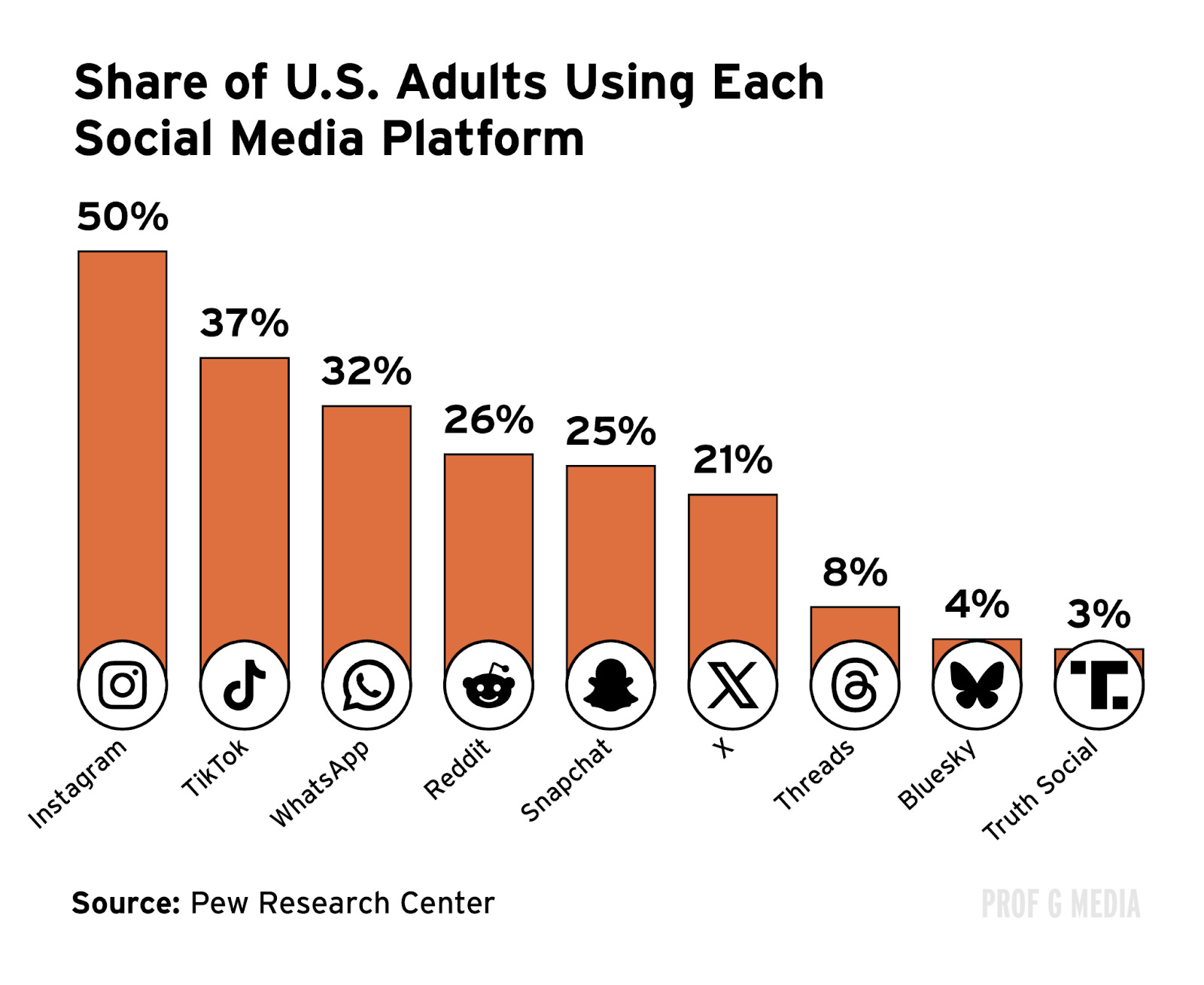
This raised more important questions: If the audience doesn’t know anything about this blog, should I not cover it on my show? Or should I cross my fingers and hope that they do? I split the difference: I did talk about it but gave the audience all of the context, assuming they knew nothing. That turned out to be a good assumption. I received multiple messages and comments from listeners telling me they hadn’t heard of this blog post until they tuned into the show.
That was when I realized why working in media is uniquely difficult in 2026. You see, the number-one job of any media-person — podcasters, journalists, commentators, you name it — is quite simple: It’s to keep up with the conversation. It doesn’t really matter what the conversation is. All that matters is that you identify “the conversation” and … keep up with it. Pretty simple.
In the digital era, however, things are different. Because while AI blog posts are exploding on Twitter, lonely monkeys are taking off on TikTok. While Gen Z “looksmaxxers” are dominating Kick, bearded game-show hosts are taking over YouTube. Over on cable, the focus is Washington — and on one side, it’s about ICE; on the other, it’s about wokeness. There are now infinite venues for infinite conversations, and in every comment section, there are infinite sub-conversations. Which means that “keeping up with the conversation” is now an impossible task for one crucial reason: We’re all having different conversations.
We’re New Here
Some will say this is nothing new — that different people have talked about different things throughout history. Yes and no. Different people have always discussed different things, but throughout the history of media, there has always existed one centralized conversation.
Back in 1517, for example, Martin Luther nailed his 95 theses to the door of Castle Church, which became the ubiquitous conversation in Europe, ultimately leading to the Protestant Reformation. Two hundred and fifty years later in America, Thomas Paine wrote Common Sense, a piece so widely distributed and talked about, it put the word “viral” to shame and eventually led to the American Revolution. Even as recently as sixty years ago, television was a single, centralized medium offering only three major networks. Ninety-six percent of U.S. households watched TV, which meant 96% of U.S. households also watched Walter Cronkite. They all watched the moon landing, and they all watched the JFK assassination. In each of these periods there of course existed “different” conversations, but the conversation was always singular.
Digital media has presented us a very different picture. The internet has segregated itself into a series of walled gardens where the complexion and content of the conversation is very different depending on where you are. If you’re on Truth Social, for example, you’re in the company of a specific set of people (Republicans) having a specific set of conversations (bashing Democrats). On Bluesky it’s the opposite: mostly Democrats, bashing Republicans.
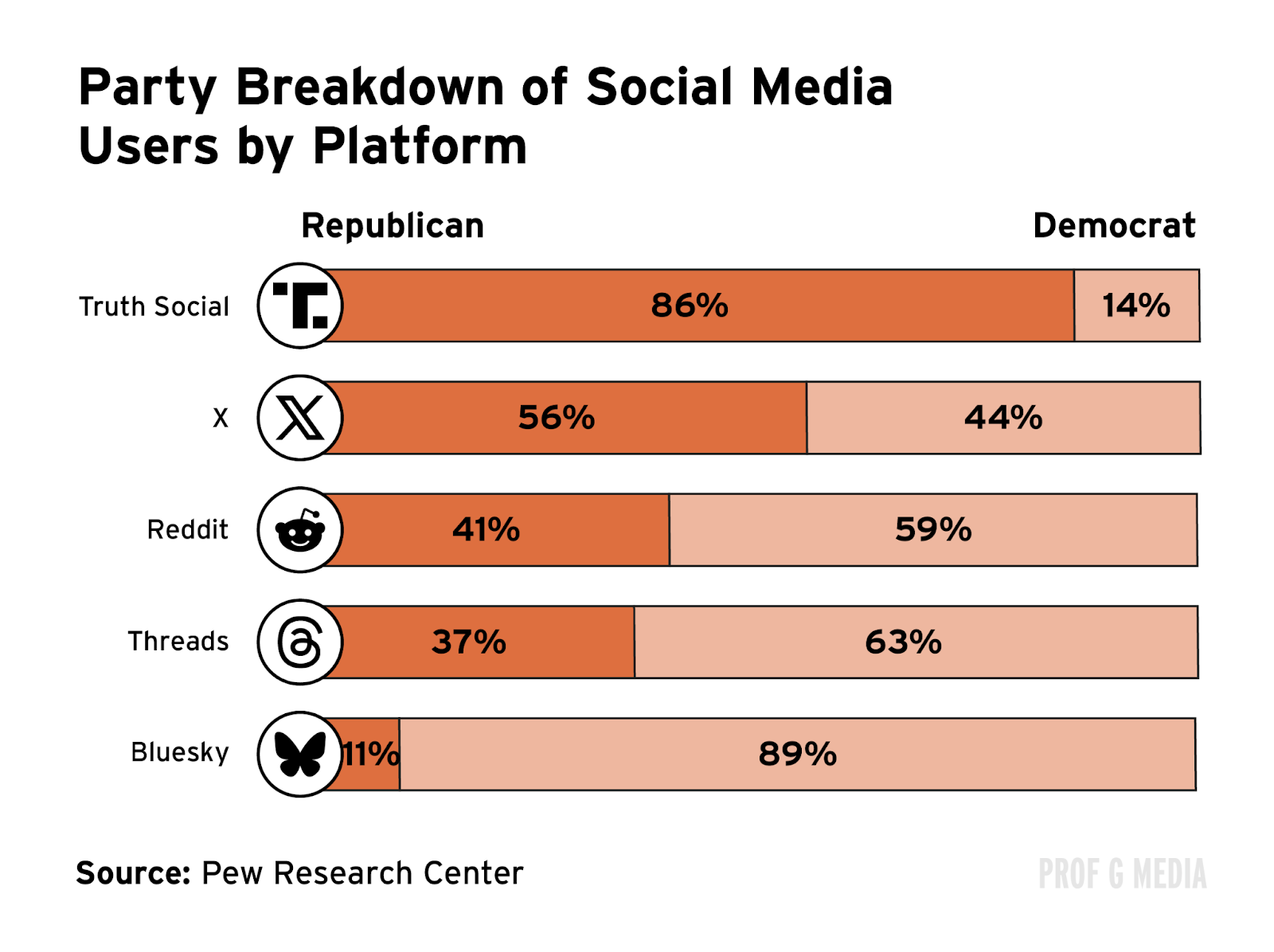
Political affiliation is the most obvious demographic difference dividing our conversations, but there are plenty of others too. For example, gender. I’ve heard people say TikTok is a more female app. Indeed, at least in America, two-thirds of people who regularly get their news from TikTok are women, compared to a third who are men. Age is another important factor. Facebook, for example, is a much older venue, used by more 50-64 year olds than 18-29 year olds. On Snapchat, the reverse is true: Nearly 60% of Gen Zers use the platform, and among Gen Xers, that number is 13%.
The implication is simple: The more we’ve divided ourselves online, the more different our conversations have become. And unlike years previous, in which disparate communities were brought together by home TVs, churches, community centers, and even campfires, we no longer have a central location where we all get together and talk — where we all have … the same conversation.
Different Places, Different Rules
As with nations, every platform has different rules. On X, for example, you can post as much hate speech as you want, and on Youtube you can’t. This makes for very different types of conversations — one significantly more racist than the other. In addition, the formatting rules change how we speak. On LinkedIn, for example, longer, more thoughtful posts are rewarded. On Threads, quick one-liners. On Instagram, memes. Point being: Different rules make for very different conversations — and in many cases, different languages.
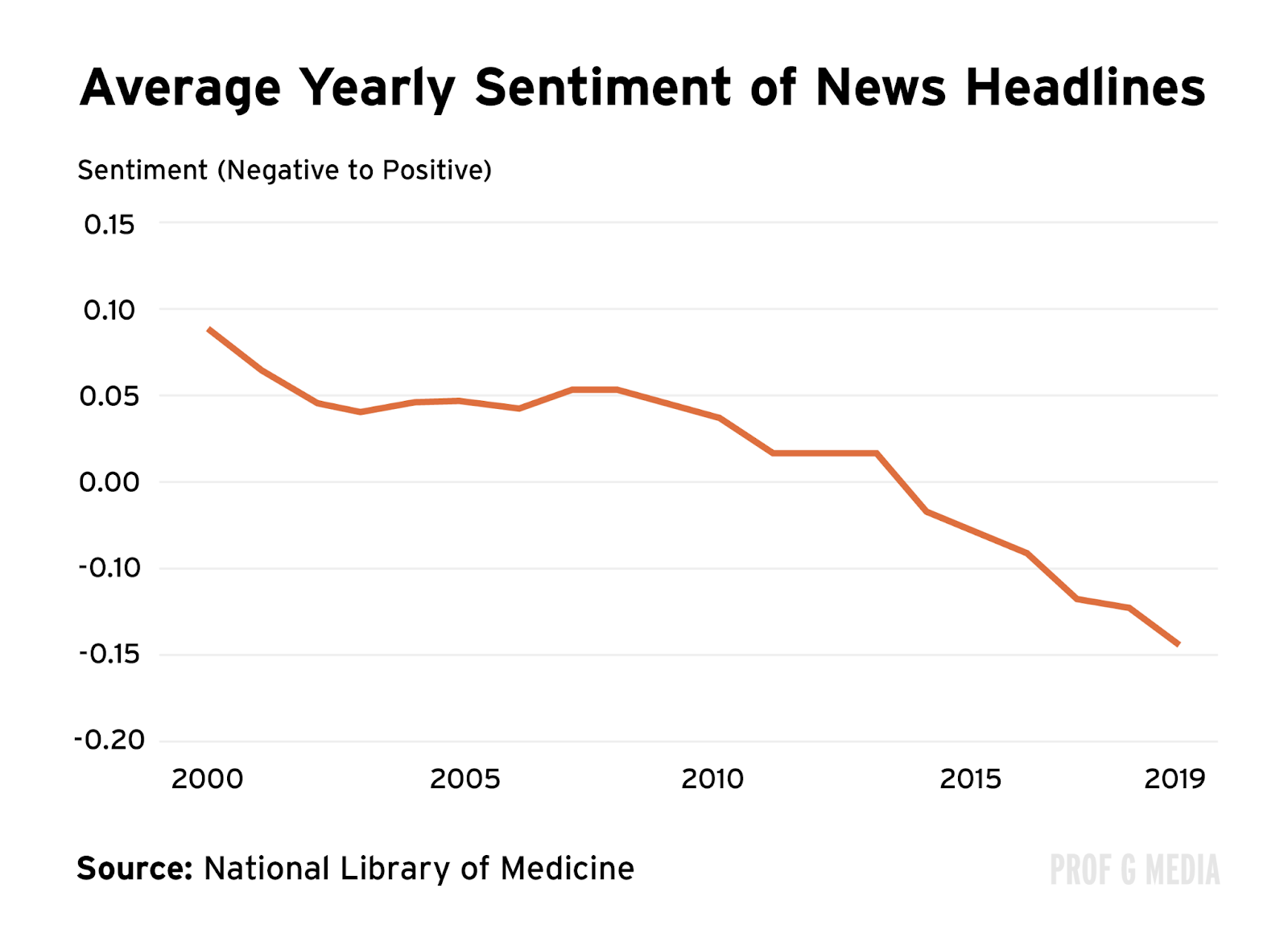
However there is one common denominator across all platforms, which is that rage sells. One study found derogatory out-group language was “the strongest predictor of social media engagement.” Another found that content using moral-emotional words (shame, evil, etc.) increases the likelihood of a retweet by approximately 20% per word used. While I maintain that the internet has made our conversations more disparate than ever, I’d be remiss not to mention it’s made them a lot angrier too.
Back To Me
If digital communities were like physical communities — if we all “lived” in just one platform — then perhaps the online experience wouldn’t be so disorienting. Trouble is, we don’t. We spend some of our time on Instagram, some of it on YouTube, some of it on TikTok, and indeed, some of it in the real world. As a result, we are forced to juggle multiple different conversations and multiple different languages at the same time, which we were not designed to do. Humans were supposed to live in one community, where everyone knows the same people and everyone speaks the same language.
Which brings me back to Something Big Is Happening, the blog post that sent me down this rabbit hole in the first place. The feeling I felt prepping for that episode is a feeling I’d bet most Americans feel every single day. I call it “Multi-Platform Paralysis” (trademark). It goes something like this: You see a story or a clip or a meme on a certain social media platform. You want to talk about it with someone, but you’re not sure who. Eventually you see the opportunity, but then the paralysis kicks in and you ask yourself: Am I the only person here who knows about this? If I talk about it, will anyone understand?
There’s a meme for this feeling — it’s called “They Don’t Know”. It’s a guy standing alone at a party, while everyone else is dancing. There’s something he wants to share but can’t. “They don’t know I’m a PhD student,” for example. Or: “They don’t know I work in tech.” Or: “They don’t know I’m mildly popular on Twitter.” (That one hits.) It’s a feeling that the conversations you’re having aren’t the conversations everyone else is having.


The more I think about multi-platform paralysis, the more I think it might be the source of our nation’s dysfunction. Americans are more polarized today than ever before. Nearly half of Republicans and Democrats view members of the other party as “dishonest,” “unintelligent,” “immoral,” even “lazy.” Meanwhile 80% of Americans say the country is “greatly divided on the most important values.” Could it be that we simply don’t know how to talk to each other anymore? Could it be that talking to someone different from yourself is literally like speaking in a foreign language?
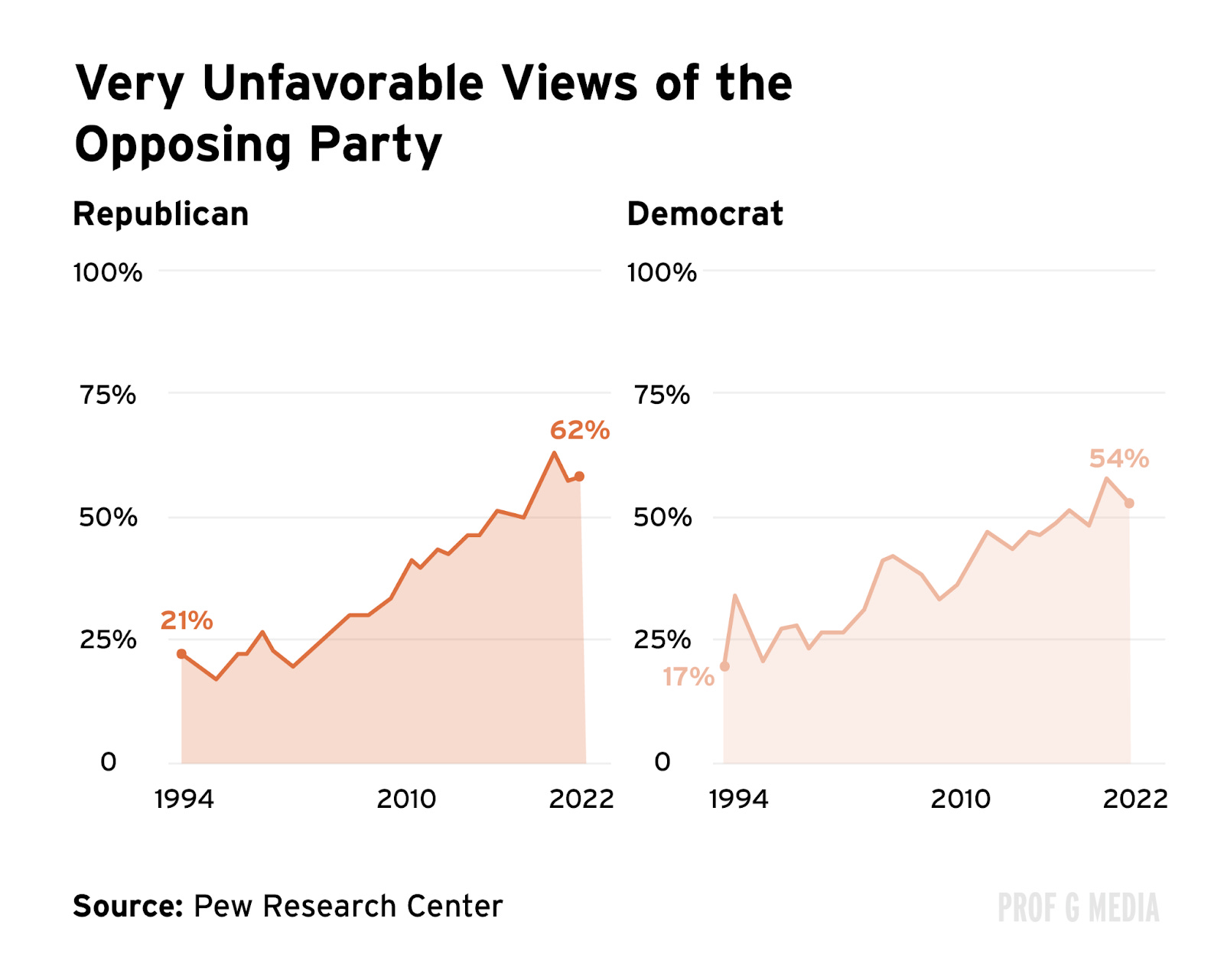
The platforms that were supposed to connect us have ironically made us more disconnected than ever before. Each new website prescribes a different vernacular. Each new app, a different dialect. As we port our conversations from platform to platform, from online to physical and from physical to online, words and meaning are invariably lost in translation. And with each misunderstanding, our dissonance grows. We exist in one country, on one stretch of land, but in a funny way, the internet has torn us apart. How do you talk to someone when you speak different languages?
See you next week,
Ed