


Corporate America is pulling back on hiring. Just last week, three major companies announced layoffs: Amazon said it will cut about 16,000 corporate roles, UPS plans to eliminate up to 30,000 jobs this year, and Pinterest is laying off roughly 700 employees, about 15% of its workforce.
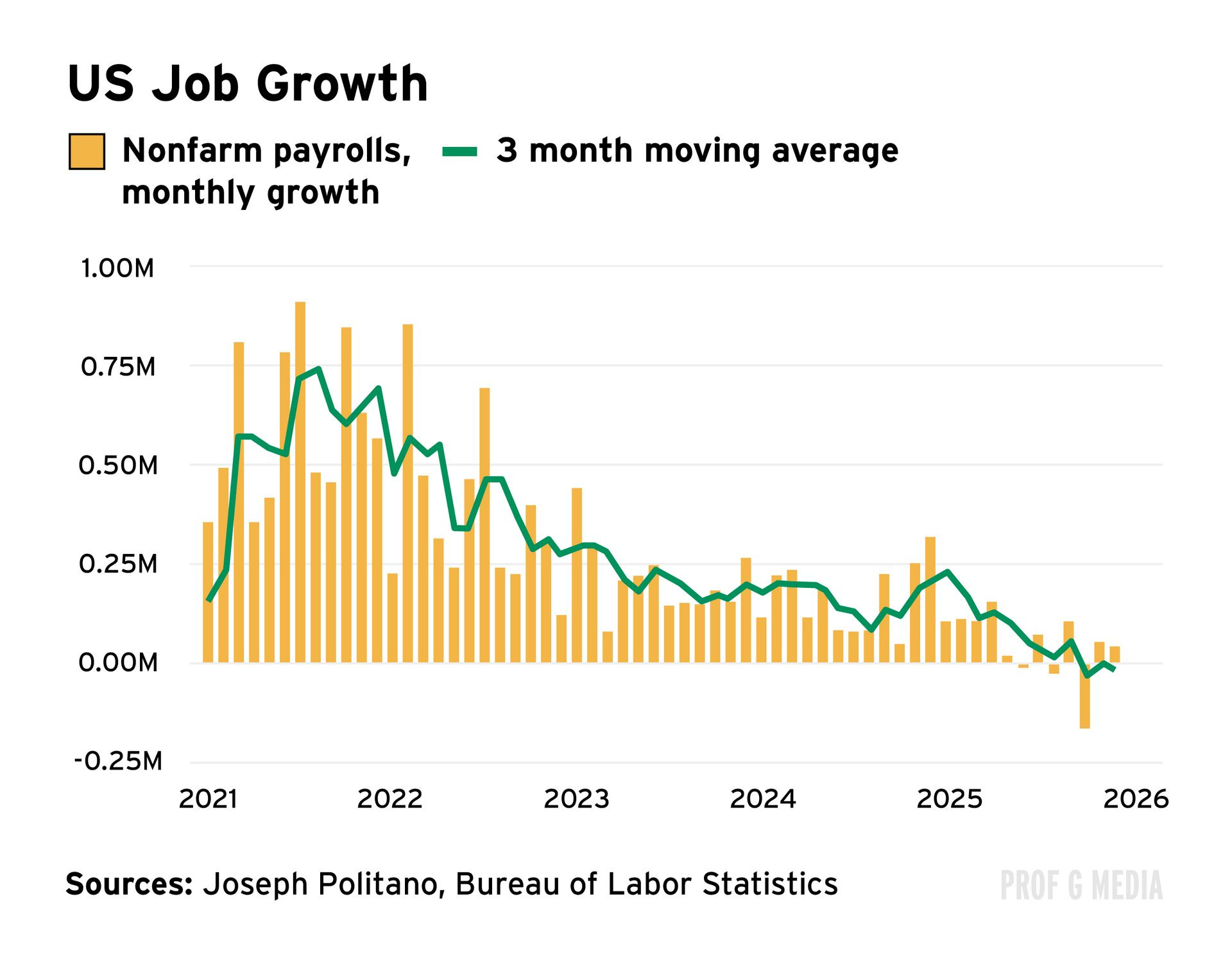
These layoffs are happening against the backdrop of an already cooling labor market. Last year was the worst year for job creation since 2009 (excluding 2020).
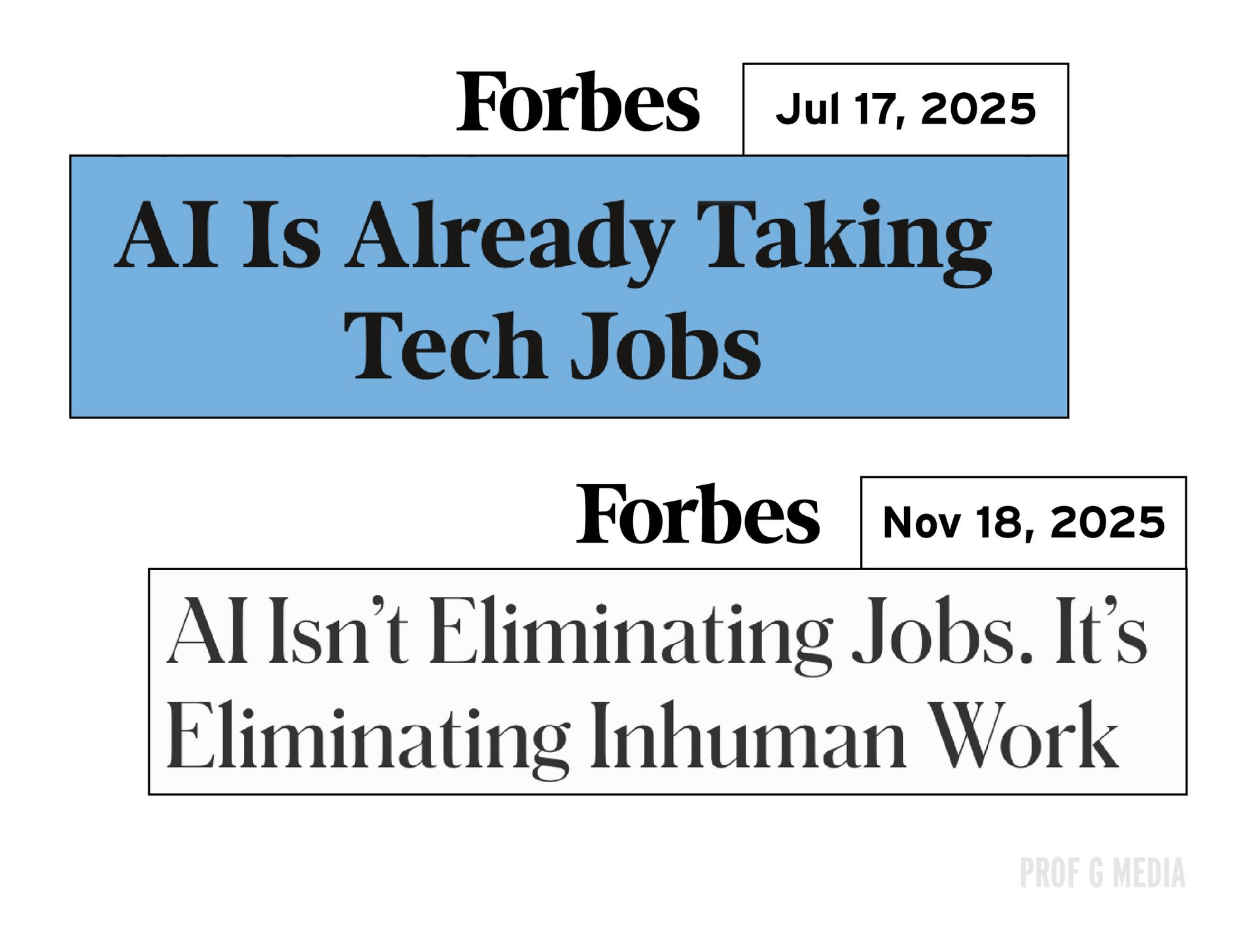
Many companies are actively citing AI in their layoff announcements. But is AI the real cause of layoffs, or just a good buzzword? The mainstream media continues to report conflicting narratives:
Whether it’s the uncertain economic environment, AI, or old-fashioned cost cutting, what is clear is that entry-level workers are being hit the hardest. Postings for entry-level jobs in the U.S. overall have declined about 35% since January 2023, and one survey found that 66% of global enterprises expect to slow entry-level hiring.
Those numbers point to a simple conclusion: Policymakers need to do real scenario planning, preparing now for near-term labor shocks. Proposed solutions include expanding tax credits for reskilling workers, and building paid, apprenticeship-style pipelines, like Brookings’ Molly Kinder’s “medical residency” model.. Others suggest a broad corporate tax that would support retraining programs. More-ambitious options include piloting four-day workweeks and exploring universal basic income.

When the CEO of an AI company says my technology is so tectonic that it’s going to destroy 50% of jobs, that’s them saying my company should be worth a trillion dollars. When Sam Altman says he’s worried about the future, what he’s saying is I’m your new god reshaping the world, and I am worth $850 billion. The catastrophizing from folks in AI is fundraising.
Look at the data: Only 5% of all layoffs last year were attributed to AI. AI is not the great grim reaper of employment yet. Catastrophist headlines get clicks, but the reality is the economy is just slowing down.
Pinterest is trying to position their layoffs as a feature not a bug. I would argue the real answer is AI is enabling Meta to such an extent that advertisers are opting for Meta and TikTok instead of Pinterest. The reason they’re laying off people is because of AI, but specifically because their competitors are doing a better job of deploying it.
AI will take and create jobs. Like every major economic shift, it will move workers toward higher-skilled, better-paying information economy jobs. But it’s going to happen much more slowly than people think.

The idea that AI isn’t taking jobs is completely untrue.
Dow Chemical laid off 4,500 people and said the reason is AI. Pinterest laid off nearly 1,000 people and said the reason is AI. Amazon said they need to be more lean due to the effects of AI, which is pretty much saying this is AI. Companies are telling us outright that AI is taking jobs.
And we’re only a couple years into the AI transformation. This is going to play out over five to 10 years.
But what’s crazy is the fact that the people in the White House have basically decided that the AI policy of the United States is going to be no AI policy. They’ve decided that any form of AI regulation is stifling innovation — and that to me is insane.
It’s going to be a huge problem, especially if this whole conversation gets hijacked by the false notion that AI isn’t having any impact.