


Half a million years ago, in southern Africa, a human ancestor fixed a sharpened stone to a wooden shaft, creating the world’s first weapons system: the composite spear. Warfare and technology have been siblings ever since. But technological superiority doesn’t guarantee victory. See: the Afghan Mujahideen against the Soviets, or the North Vietnamese and Viet Cong against the U.S. Throughout history, weaker forces have defeated stronger ones by eschewing conventional combat in favor of asymmetrical warfare. One famous term for it was coined by the Spanish irregulars who harassed Napoleon’s occupying army: guerrilla, or “little war.” Put another way, don’t fight on your enemy’s terms.
David vs. Goliath
This week, the Air Force withdrew a dozen B-1 bombers from a base in the U.K. after British authorities foiled an Iranian plot that threatened U.S. military operations. According to David Dunn, a professor of international politics at the University of Birmingham, the unprecedented withdrawal reveals the vulnerability of American military installations abroad and represents a setback for the U.S. in its war with Iran. “Fairford is normally the place during a crisis where America sends bombers to beef up America’s military capability,” Dunn told Time.
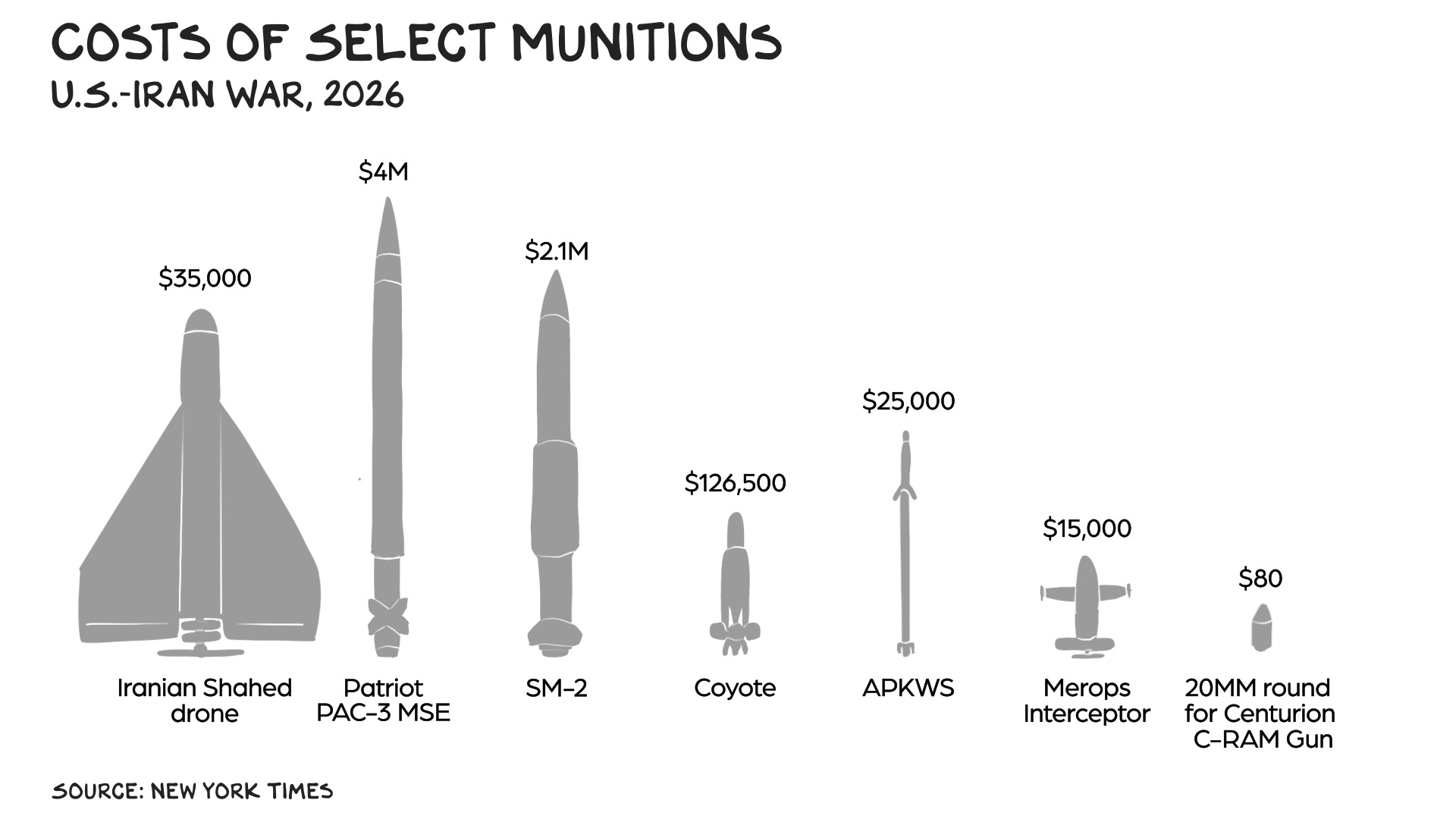
Rather than relying on bombers or other conventional means, Iran forced the withdrawal with a drone threat. Furthermore, Iranian operators aren’t even military, as the Islamic Revolutionary Guard Corps has become adept at deploying violence-as-a-service — an asymmetrical tactic that involves hiring untrained, on-demand combatants who, like gig workers, are cheap and disposable. Meanwhile, closer to the front, the asymmetrical drone war has depleted the high-tech U.S. interceptor arsenal, catalyzed a $95 billion multiyear munitions replenishment request from the Trump administration, and rendered an American victory a mathematical impossibility. “The interceptor math doesn’t even touch the strategic heart of the Iran War: Iran’s control over the global economic artery that is the Strait of Hormuz,” wrote national security journalist Spencer Ackerman. “The math merely shows how overwhelmingly far the U.S. is from being able to force the Strait of Hormuz open and keep it that way.” Math is a modern warrior’s most important skill, but I’m getting ahead of myself.
Second-Mover Advantage
Ukraine’s four-year war against Russia is a case study in asymmetrical warfare. Ukraine is now the world’s leading drone innovator, shifting the enemy casualty ratio from 2:1 at the war’s start to 8:1 in the first half of this year. Russian casualties are around 30,000 per month, exceeding the 27,000 recruits it takes in each month. A hard truth for Americans: In war, strength isn’t what you can afford to spend … but what you’re willing to lose.
Last week, I spoke with historian Timothy Snyder, who’d just returned from Ukraine. On the front lines, Ukraine is winning, he explained, but over its cities, Russia is exploiting an interceptor shortage (our fault) to extract a terrible price on Ukraine’s economy and society. “The Ukrainians innovate, the Russians copy,” Snyder told me. “Everything the Ukrainians do, the Russians are able to do a few months later — but at scale.” In business this is called the second-mover advantage. Netscape commercialized the web browser; Microsoft scaled it. Diners Club introduced the credit card; Visa turned it into a financial empire. MySpace pioneered social networking; Facebook perfected it. And Apple is the ultimate second mouse. Asymmetry gives an army a lead, not a moat. David wins round one with a new slingshot; but in the second, Goliath has a factory in Yelabuga manufacturing thousands of slingshots at a lower unit cost.
Ferguson’s Law
In his 1961 farewell address, President Dwight D. Eisenhower famously warned that the influence of America’s growing “military-industrial complex” endangered our liberties and democracy. He also highlighted the connection between debt and national security, although few Americans remember that part of the speech. “As we peer into society’s future, we — you and I, and our government — must avoid the impulse to live only for today, plundering, for our own ease and convenience, the precious resources of tomorrow,” Ike said. “We cannot mortgage the material assets of our grandchildren without risking the loss also of their political and spiritual heritage.” Spoiler alert: We didn’t listen.
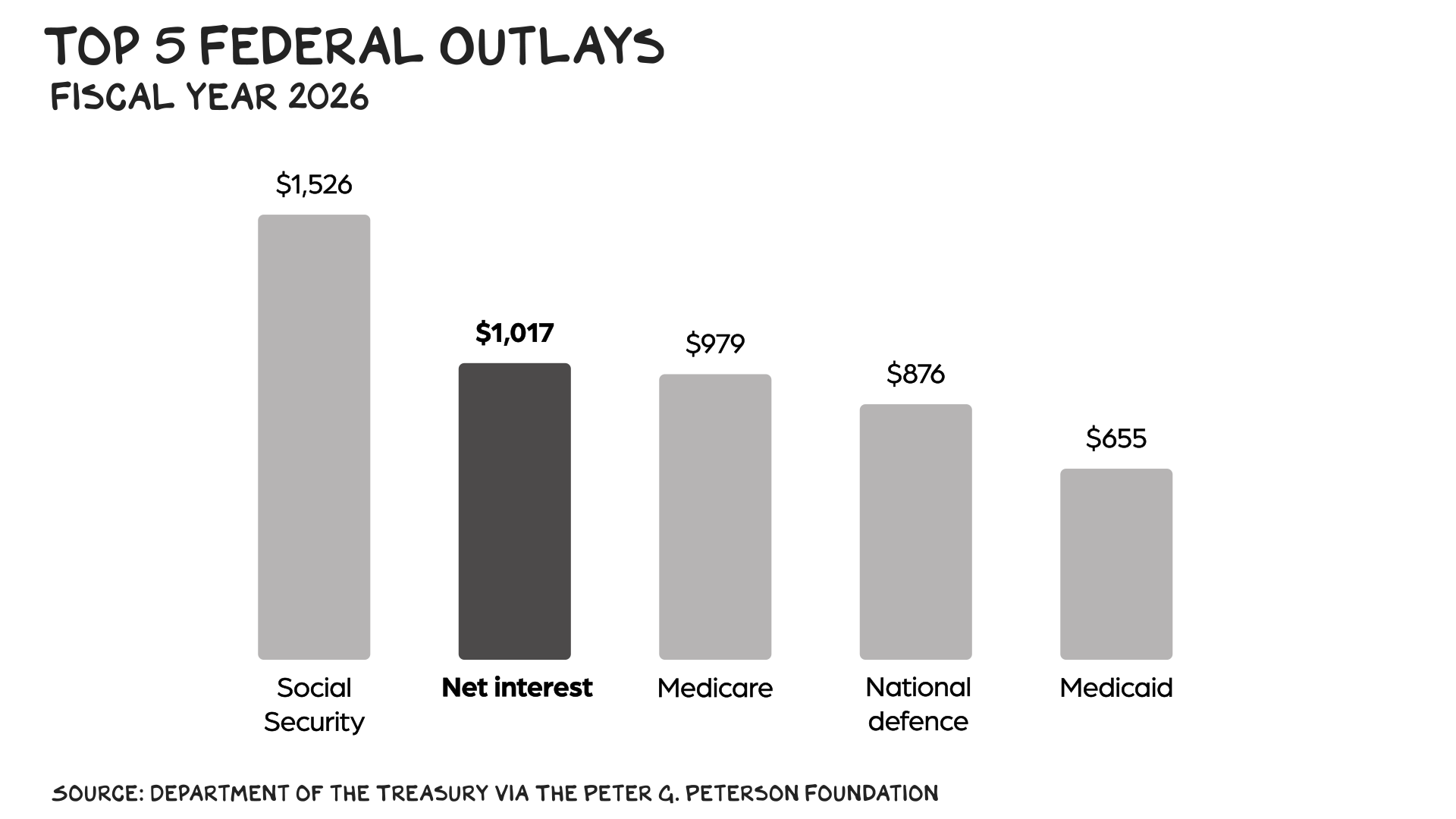
In recent years, interest payments on the debt — the fastest-growing part of the federal budget — have exceeded defense spending. In a 2025 paper, historian Sir Niall Ferguson proposed “Ferguson’s Law,” named not for himself but Adam Ferguson, an 18th century Scottish philosopher. Ferguson’s Law states that any great power that spends more on debt service than defense risks ceasing to be a great power. “The debt burden draws scarce resources towards itself, reducing the amount available for national security, and leaving the power increasingly vulnerable to military challenge,” Niall Ferguson wrote. Sovereign debt crises have been the last chapter of empires from ancient Rome and the French monarchy to the Ottoman and British empires and the Soviet Union. America is exceptional, but it’s not exempt from history. Countries typically are not conquered; they go broke.
This isn’t news to Congress, or shouldn’t be. In 2010, Chairman of the Joint Chiefs of Staff Admiral Mike Mullen called the debt the “most significant threat to national security.” We tend to think of Social Security and Medicare as political third rails that can turn the mention of reform into an electoral wipeout. Defense cuts are another one, but not because voters are likely to punish elected officials. It’s worse — our leaders are afraid of looking unmanly. The performative stupidity of Defense Secretary Pete Hegseth has conflated math with weakness. Mullen, who commanded more warriors than Hegseth ever will, did the math. He argued that defense cuts “need to be on the table,” reminding us that the defense budget going back to the 1930s has gone up and down on a “fairly regular basis.” In short, we’ve forgotten how to make the hard tradeoffs, because, as Mullen put it, “we haven’t had to do the analysis” for far too long.
Cuts
The key national security metric isn’t the debt, it’s the fiscal gap — how much we need to raise taxes and/or cut spending every year, as a share of GDP, so the debt stops outpacing the economy and interest payments stop eating a growing share of the budget. The Treasury estimates the fiscal gap is 4.7% of GDP. Defense spending in fiscal year 2026 totaled approximately $1 trillion: $838 billion in defense appropriations and an additional $150 billion from the One Big Beautiful Bill. Closing the fiscal gap through spending cuts alone would mean permanently cutting every non-interest dollar the government spends (Social Security, Medicare, Medicaid, the Pentagon, etc.) by 21%. A responsible president would tell the Pentagon to find $200 billion a year in cuts. The current president asked Congress to boost Pentagon spending by 45%, to $1.5 trillion, more than the U.S. spent at the peak of World War II, adjusted for inflation.
Cutting $200 billion would mean doing three things simultaneously: killing programs that don’t work, shrinking the size of the military, and reducing operational scope. The good news? We’ve done it before. The Pentagon reduced defense spending by 30% between 1988 and 1997, because we were no longer fighting the Cold War. In 2024 the Congressional Budget Office mapped out options for cutting roughly $100 billion a year, including shrinking the active-duty force by 18%, retiring carriers and fighter squadrons, and asking allies to carry a greater share of the security burden. One budget watchdog’s list of cuts to underperforming weapons systems, many of which come in over budget, would trim about $40 billion a year from current spending. Anduril co-founder Palmer Luckey told CNBC in February that disrupting the cost-plus procurement model of defense contractors and adopting a product mindset could bring the total defense budget below “$500 billion while maintaining required capabilities, if efficiency improves.” The issue isn’t a scarcity of options but political will.
Also, in warfare, the enemy gets a vote. As Snyder told me, the relentless cycle of drone and interceptor innovation means “the Ukrainians and the Russians are creating the only two modern armed forces in the world.” Getting our fiscal house in order is the necessity; modernizing our military — replacing $90 million fighter jets with $30,000 drones — is the opportunity.
Saving Private Ryans
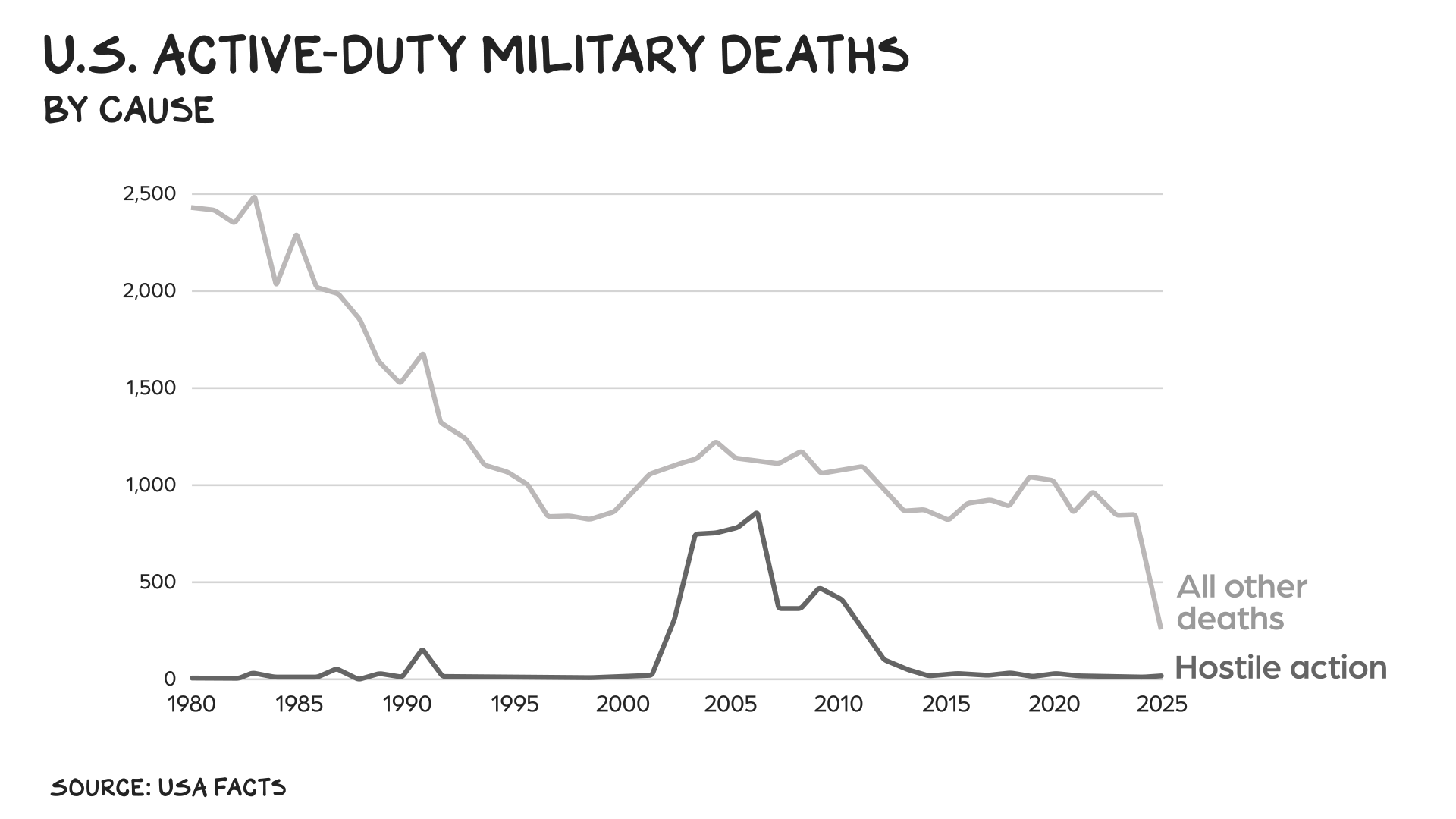
At least 22 U.S. servicemembers have died in the Iran war. Casualty figures are difficult to verify, partly because the Trump administration is allergic to the truth, and partly because the American public doesn’t have the stomach for it. Saving Private Ryan (great movie) fictionalized one man’s rescue, but the impulse behind it was real. After the five Sullivan brothers were killed in the Battle of Guadalcanal in 1942, the military began separating siblings and pulling surviving sons out of combat. Sergeant Fritz Niland, the real-life Ryan, was sent home from Normandy after the Army believed three of his brothers had been killed. Nobody had to storm a French village to get him. A chaplain filed the paperwork. Our ally, the Soviet Union, gave a mother who lost nine sons a medal. Our adversaries have a bias toward sacrificing the lives of their soldiers, whereas the trend for the U.S. military is a bias toward safety. Since 1980, accidents, suicide, and homicide have killed 7x as many active-duty troops as enemy fire.
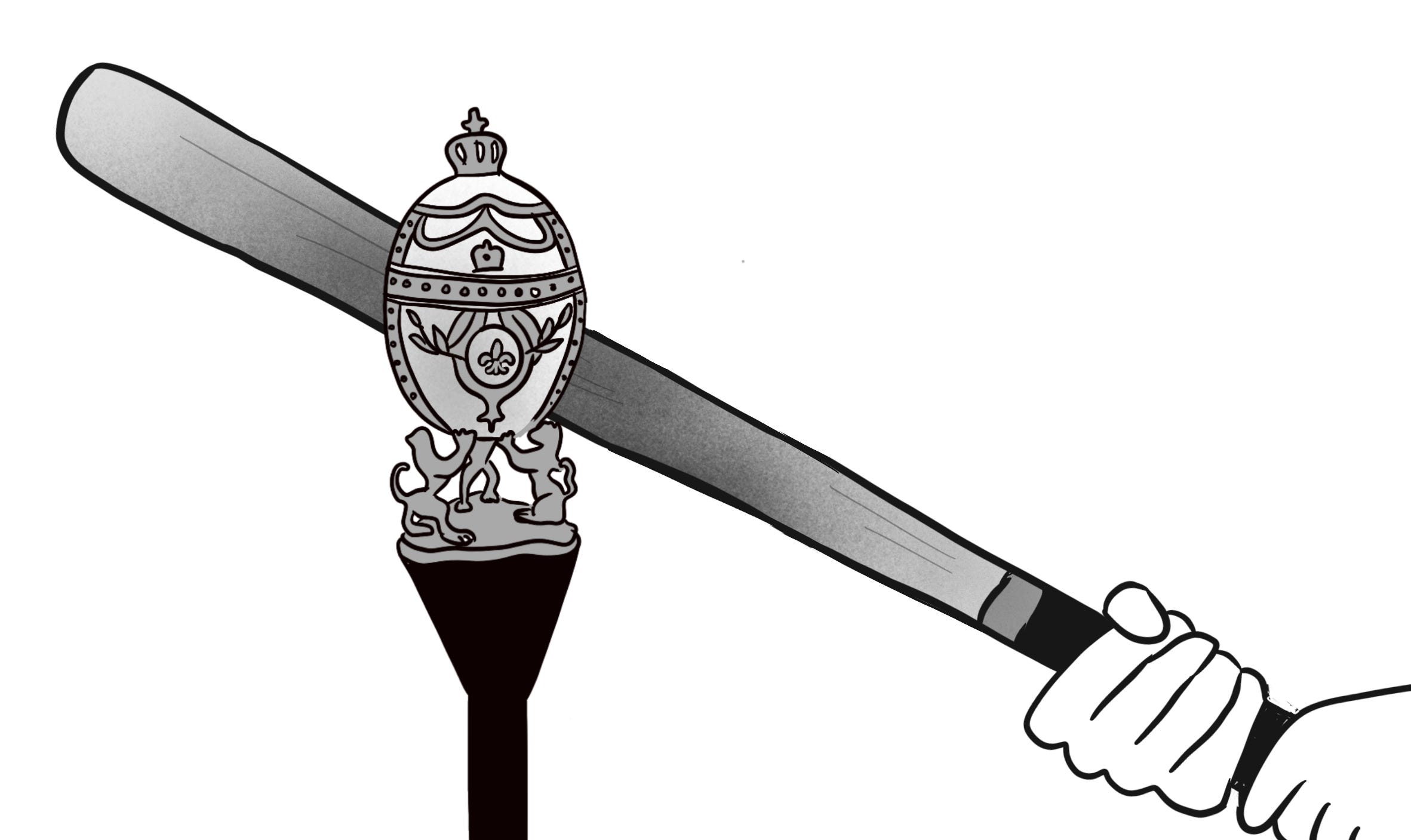
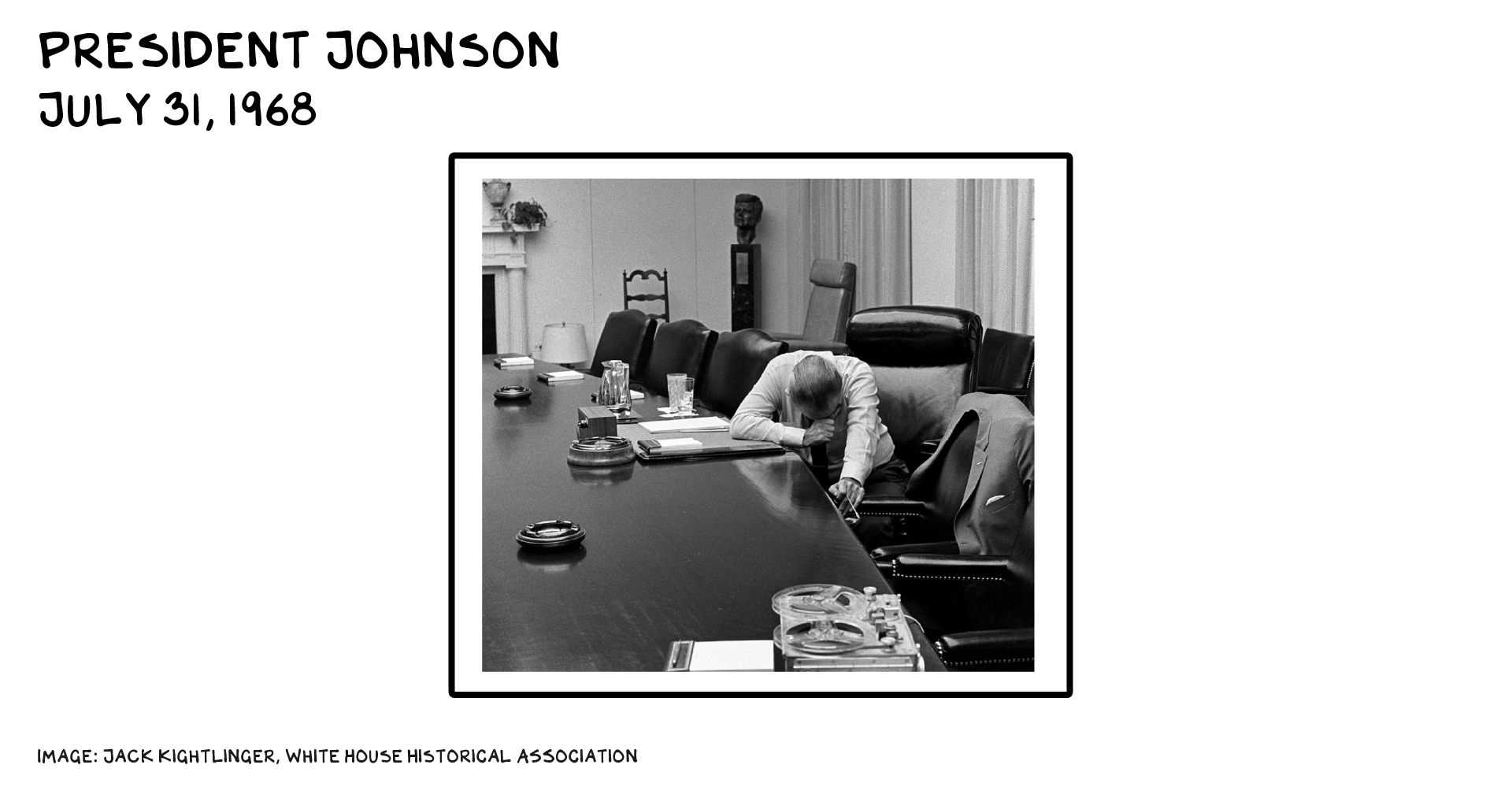
We’ll sacrifice 800,000 Americans to opioids in the name of shareholder value, but sending a B-2 bomber and its two-person crew on a mission likely to result in their deaths is akin to playing baseball with a Fabergé egg. Put another way: Every president is capable of greenlighting a trillion-dollar weapons system, but no president wants to be LBJ, who presided over casualty counts exceeding 500 killed per week during the height of the Vietnam War.
Valuing life is a hallmark of a great society. But because we’ve combined that with regulatory capture by defense firms, the U.S. has built the most expensive glass jaw in history. The silver lining of these current conflicts? They present America with a historic opportunity: to build a more lethal fighting force while cutting defense spending by a trillion dollars. Embracing asymmetrical warfare with political will should result in a superweapon: a robust balance sheet.
Life is so rich,

P.S. This week I spoke about the state of free speech in America with Greg Lukianoff, president and CEO of the Foundation for Individual Rights and Expression. Prof G+ paid subscribers can catch the conversation here.
Excellent thoughtful piece. The concept of asymmetrical can be applied in so many areas of our lives: dating, how we work, looking for work/jobs, planning careers, growing a business etc etc.
Best-ever piece, IMHO... Crucified on a cross of iron.