



Last week, Americans around the country could turn on their TVs and watch the longest Trump rally of all time. The GOP called it a convention, but let’s be clear: this was two nights, twelve hours, all Trump.
(I say Americans, but very few tuned in. That was partly thanks to competition from two NFL games, but you have to ask whether voters just didn’t want to hear more of the same from a president disliked by two-thirds of the country.)
You’ve seen the headlines about Trump’s pledges and bribes, JD Vance’s ascension to heir apparent, the obsession with red balloons.
What stood out to me was just how bad the politics of this event were.
I’ve spent the last year writing I Disagree, a book that I hope will inspire better political conversations. It’s about – among many other things! – being honest with the people you care about, finding common ground, and maintaining a little optimism even when times are tough.
We didn’t see any of that in this convention. In fact, we saw the opposite. We saw Trump lie his way through two speeches, play the hits for his base, and above all else, demonize Democrats.
This week, the three rules of better political conversations, and how Republicans broke them all.
– Jessie
Programming note: Raging Perspective is on again this Wednesday. Join Jessica and Aaron Parnas live at 12PM for an unscripted, unfiltered, unedited conversation about the issues defining this era. We’re also taking your questions! Ask away in the comments section below.
1. Be honest with voters
The most important part of any political conversation is pretty simple… tell the truth!
As I write, “audiences respond best to honesty, specificity, and proof you’re being genuine about fixing problems.” You don’t have to get everything right, but when you get it wrong, be willing to say that. Audiences will be more forgiving if you’re seen as an honest broker who can adjust to a new set of facts.
More broadly, you also have to build trust with people. And you do that by walking through your reasoning. If you’re launching a major policy, explain what problem you’re solving and why your solution is best.
Seems simple, but clearly not for Trump. The major policy item that came out of this so-called “Trumpapalooza” was a $5,000 “dividend” to voters, delivered only if Republicans keep the House and Senate.
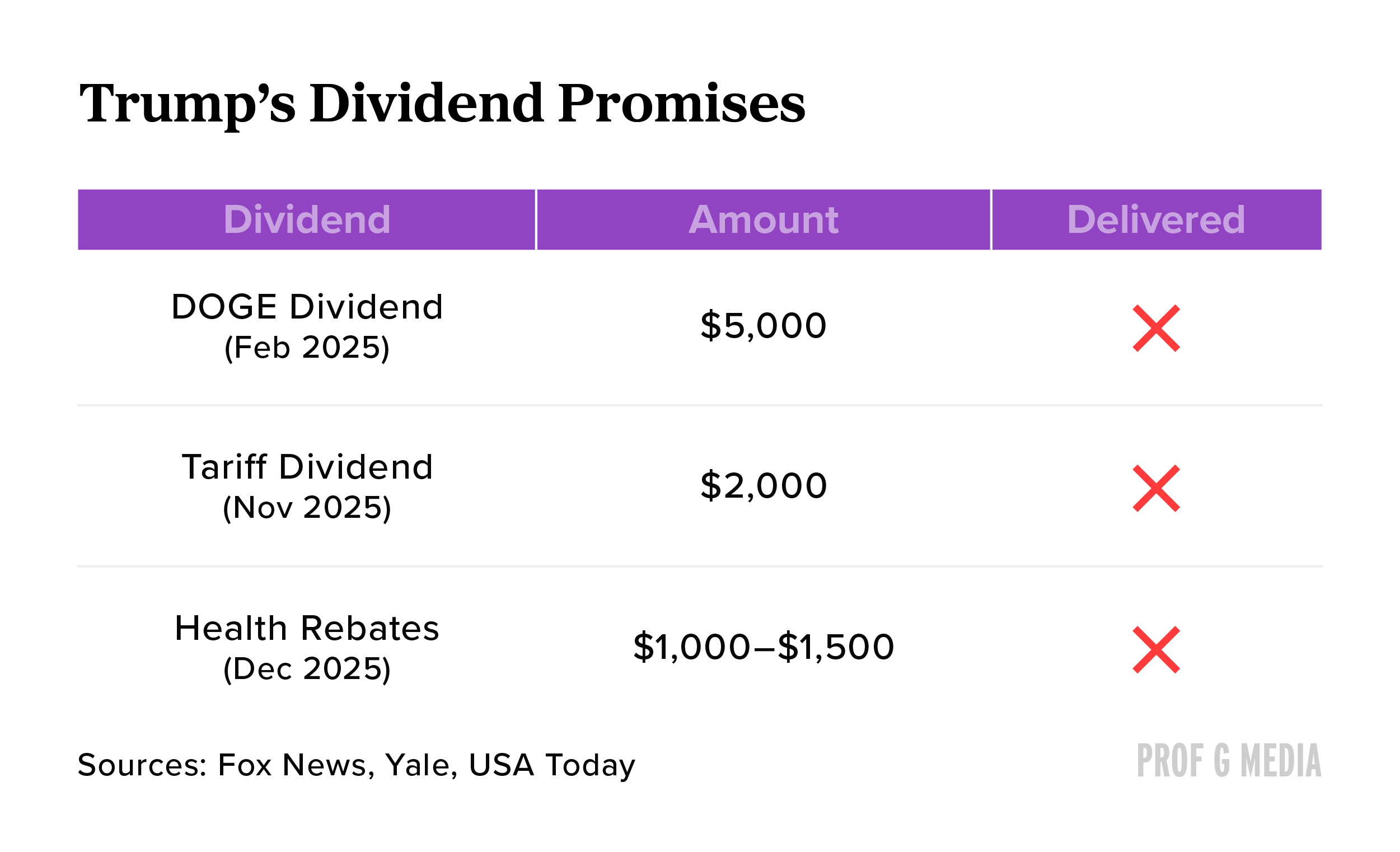
A bribe, yes, but what made that announcement so dishonest was that we’ve been here three times already just in the last year. First, a DOGE dividend that evaporated into thin air. Then a tariff dividend that did the same. Then a health rebate that was supposed to make up for the cuts to healthcare spending, but that we haven’t heard about since December.
People don’t like being lied to, and that’s all Trump is doing here.
2. Meet people where they are, even in enemy territory
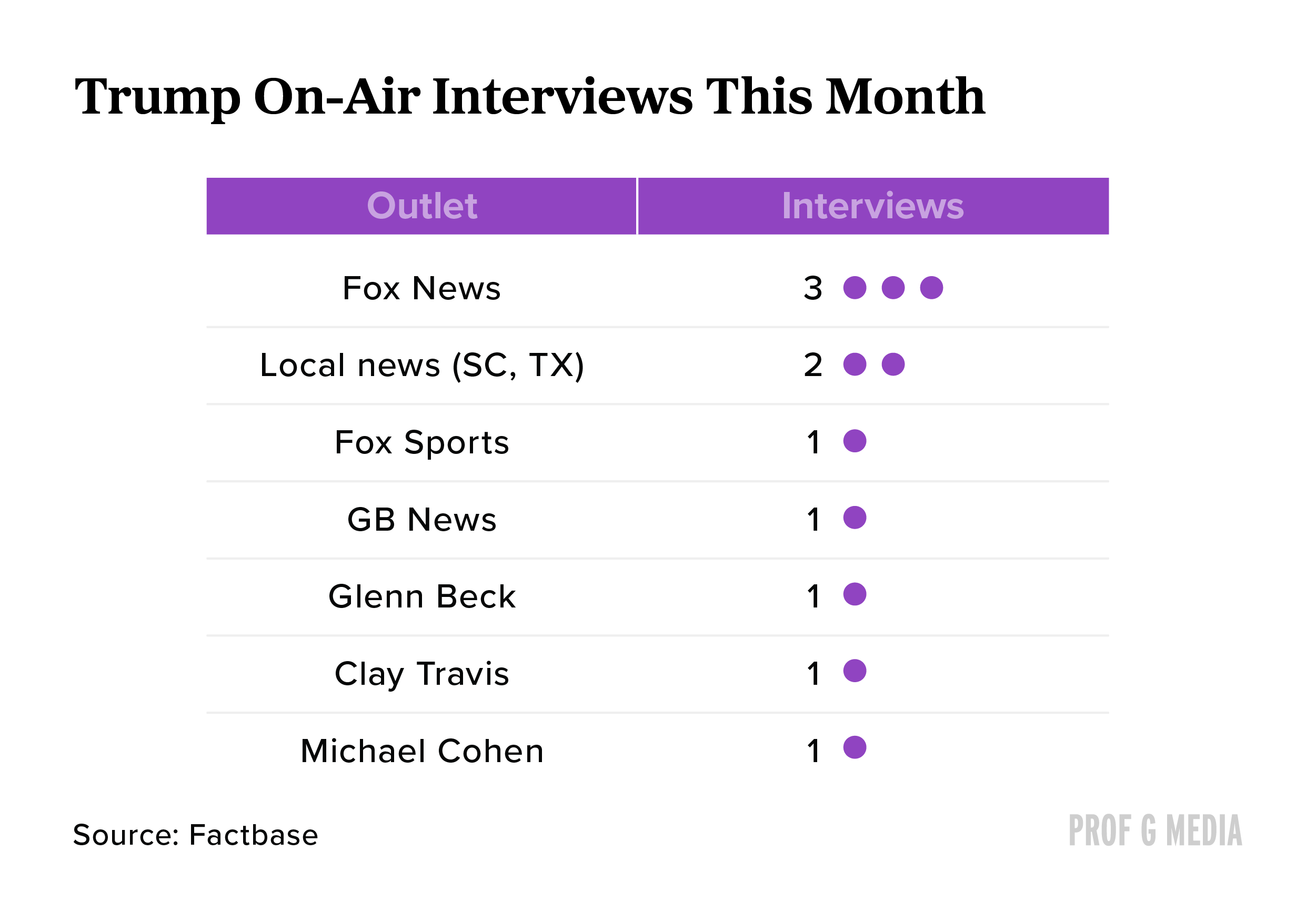
I also believe in showing up in uncomfortable spaces. That’s something the Democrats struggled with a lot over the last four years: Trump went everywhere: not just to people like Joe Rogan, but to politically homeless podcasters like Theo Von, and even did a sit-down with Bloomberg. Kamala Harris did one interview on Fox News; otherwise she stuck to safe territory.
The lesson for Democrats was to get comfortable going into new places. As I write, candidates have to be “both revelatory and personal when they’re in these uncomfortable spaces. And they have to return to keep the conversation going.”
How the tides have turned.
Holding a convention like this is the equivalent of hiding in a bunker. It’s two days where you don’t have to confront the press, like you’d expect all candidates to do in the middle of a campaign, or an opponent, like the many he’s faced before at debates. All you have to do is put on a show and speak to your most devoted followers.
And it’s not just this RNC! Over the last month, Trump hasn’t spoken to anyone outside of his comfort zone. No “mainstream media.” No podcasts. A few appearances on local news and some sports talk are about as far as he got.
3. Stop treating everything as the apocalypse
One of my favorite lessons in the book is about treating politics a little less seriously. Sounds strange coming from me, right? I’d like to think I take politics seriously, and you probably do too. But Democrats have hurt themselves in the recent past by being sanctimonious and glum.
In other words, “Lighten up. It exhausts people when you treat every issue as apocalyptic. And that makes it harder to persuade them.”
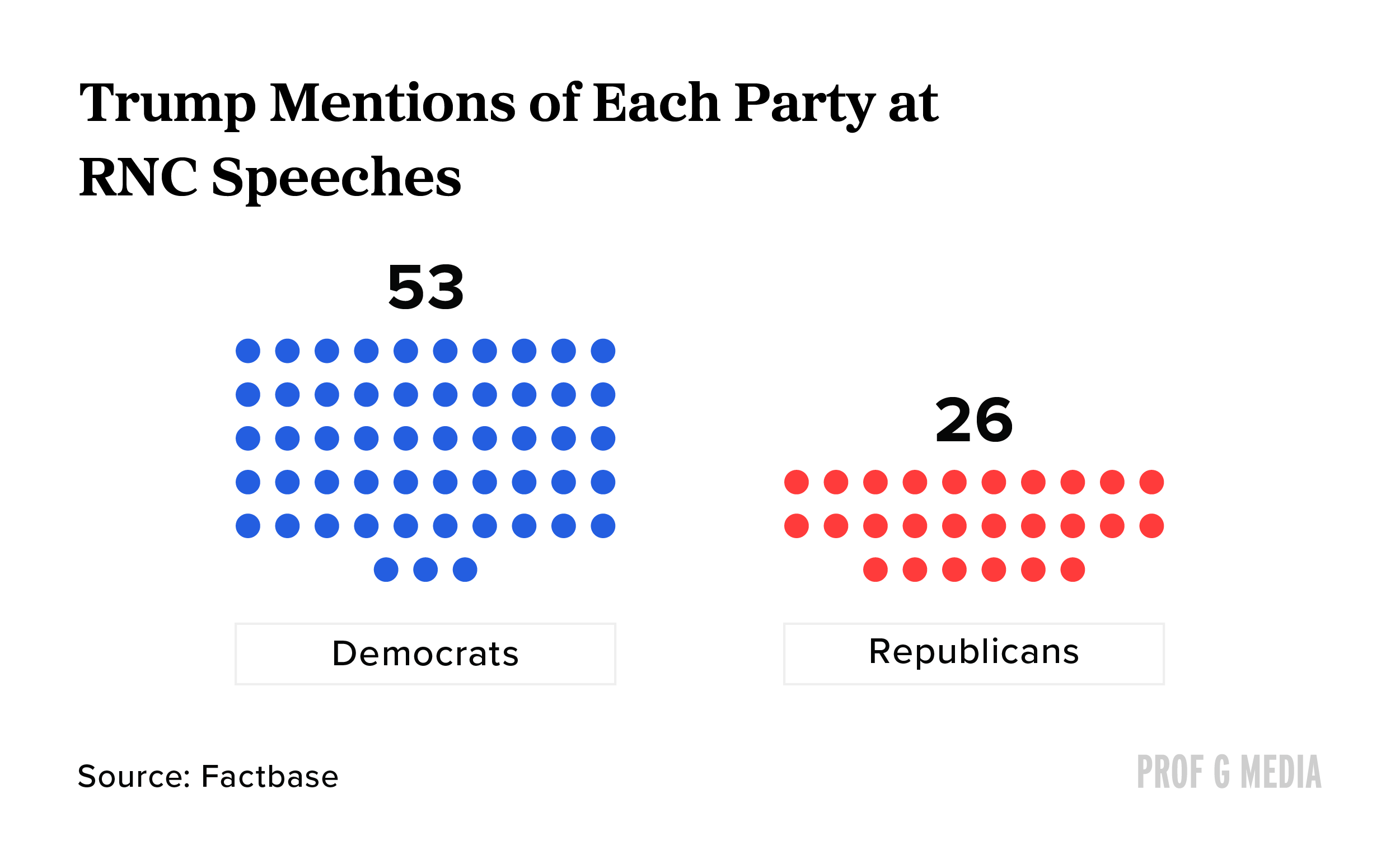
Here again, the Republicans haven’t gotten that message. Throughout the convention, Trump and his acolytes kept telling viewers that the Democrats are about to “destroy the country.” That if you don’t vote for the GOP, “you will be going through hell just like you did two years ago.” That Democrats are going to let criminals loose to “rob, rape, and kill like we had.”
The messaging will work on the people Trump needs least: the core MAGA voters who will show up for him no matter what.
I’m very skeptical that it will work on anyone else.
I truly believe that politics doesn’t have to be this way. We can tell voters the truth, venture outside our comfort zones, and make the case without predicting Armageddon.
Democrats have forgotten those lessons in the past, but this time, it’s the GOP ignoring them in Dallas. Seven weeks from now, we’ll see how costly that is.
A politician, confident he/she can win, doesn't offer bribes that will never be paid. The flop sweat is getting obvious. I hope Trump drowns in it. Voters have a chance to hold his metaphorical head under the water on Nov. 3.